





What's Happening?
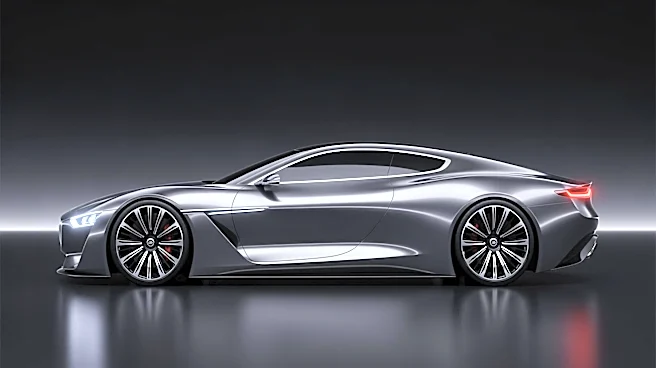
Toyota has decided to cancel the development of its next-generation Lexus LF-ZC electric vehicle. This move aligns with similar actions by other Japanese automakers such as Honda, Mazda, and Subaru, who are also pulling back from electric vehicle (EV)
development. The decision comes as global demand for EVs has seen a downturn, and U.S. incentives for these vehicles have ended. The Lexus LF-ZC was intended to be a flagship model, showcasing Toyota's advancements in electric vehicle technology. However, the current market conditions and the lack of supportive incentives have led to a strategic reassessment by the company.
Why It's Important?
The cancellation of the Lexus LF-ZC highlights a significant shift in the automotive industry, particularly among Japanese manufacturers. As global demand for electric vehicles wanes and incentives diminish, automakers are reevaluating their strategies. This could impact the pace of innovation and adoption of EVs, potentially slowing down the transition to more sustainable transportation options. For the U.S. market, this decision may affect consumer choices and the availability of advanced EV models. It also underscores the importance of government incentives in driving the adoption of new technologies.
What's Next?
With the cancellation of the Lexus LF-ZC, Toyota and other Japanese automakers may focus on alternative strategies, such as hybrid technology or improving internal combustion engines. The industry might see a shift towards more conservative approaches in vehicle development until market conditions become more favorable for EVs. Stakeholders, including policymakers and environmental groups, may need to reassess their strategies to encourage the adoption of cleaner technologies.