



What's Happening?
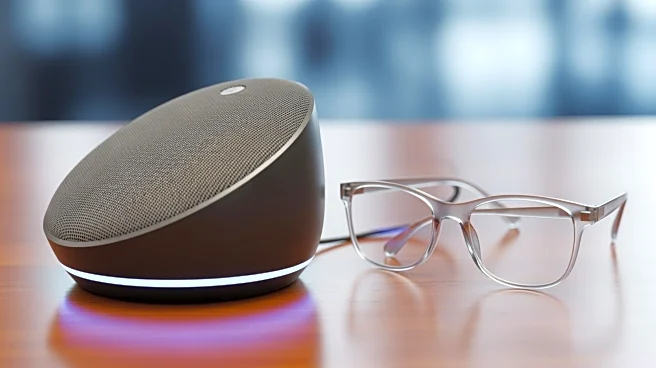
OpenAI is reportedly expanding its operations from software to hardware, with over 200 engineers working on developing AI devices, including a smart speaker and potentially smart glasses. According to reports, the smart speaker is expected to be priced
between $200 and $300 and could be available as early as February 2027. This move marks a significant shift for OpenAI, traditionally known for its software capabilities, as it enters the competitive market of physical AI devices. The development of these products is seen as a strategic effort to integrate augmented reality (AR) and ambient AI into everyday life. However, the introduction of these devices has sparked public debate over privacy concerns, particularly regarding the always-on sensors and camera-equipped features of such products.
Why It's Important?
The entry of OpenAI into the hardware market could have significant implications for the tech industry and consumer privacy. By offering AI devices at a competitive price point, OpenAI may challenge existing players in the market, potentially driving down prices and increasing accessibility to advanced AI technologies. However, the integration of always-on sensors and cameras raises privacy concerns, as consumers and regulators grapple with the implications of increased surveillance capabilities in everyday devices. This development could lead to heightened scrutiny from privacy advocates and regulatory bodies, as well as influence future standards and consumer expectations regarding AI and AR technologies.
What's Next?
As OpenAI progresses with its hardware development, the company is likely to face regulatory and privacy scrutiny. Stakeholders, including investors and regulators, will be closely monitoring how OpenAI addresses these concerns, particularly in comparison to other tech giants that have faced backlash over similar issues. The company may need to implement robust privacy controls and user opt-out options to mitigate potential backlash. Additionally, the success of OpenAI's hardware products could influence other companies to accelerate their own AI and AR device development, potentially reshaping the market landscape.
Beyond the Headlines
The move by OpenAI into hardware not only highlights the growing trend of integrating AI into consumer products but also underscores the ethical and legal challenges associated with such advancements. The potential for increased surveillance through AI devices raises questions about data security, user consent, and the balance between technological innovation and privacy rights. As these devices become more prevalent, society may need to reevaluate existing privacy laws and consider new regulations to protect consumers in an increasingly connected world.