

What's Happening?
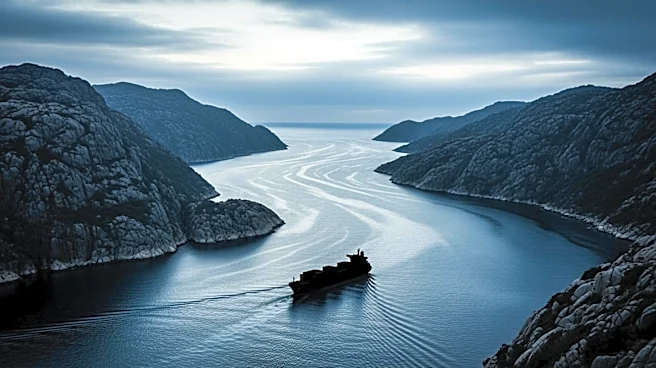
The ongoing conflict with Iran, which has led to the closure of the Strait of Hormuz, is causing a significant increase in gas prices, including jet fuel. As a result, the average cost of summer airfare is expected to rise by more than 17%, according
to Kyle Potter, executive editor of Thrifty Traveler. The closure of the Strait of Hormuz has limited the global supply of oil, driving up prices and impacting various sectors, including the airline industry. This increase in airfare costs is likely to affect travel plans for many consumers during the peak summer travel season.
Why It's Important?
The rise in summer airfare costs due to increased jet fuel prices highlights the interconnectedness of global geopolitical events and domestic economic conditions. Higher travel costs can deter consumers from flying, impacting the airline industry's revenue and potentially leading to reduced flight schedules or increased ticket prices. This situation underscores the vulnerability of the travel and tourism sector to external shocks, such as geopolitical conflicts. Additionally, the increased cost of air travel can have broader economic implications, affecting tourism-dependent regions and related industries.