



What's Happening?
The WNBA Players' Association has submitted a counterproposal to the WNBA for a new collective bargaining agreement (CBA), which includes adjustments to revenue sharing and housing provisions. According to a source familiar with the negotiations, the union is now requesting an average of 27.5% of the gross revenue over the course of the CBA, down from their previous demand of over 30%. The league's offer includes players receiving over 70% of net revenue, which accounts for profits after expenses such as upgraded facilities and travel accommodations. The union's proposal also addresses housing, suggesting that teams continue to pay for player housing in the initial years of the agreement, with changes in the later years for players earning near
the maximum salary. The negotiations are crucial as the current CBA is set to expire, and a delay in reaching an agreement could impact the start of the 2026 season.
Why It's Important?
The outcome of these negotiations holds significant implications for the WNBA and its players. A new CBA with favorable terms could enhance player welfare and financial stability, potentially attracting more talent to the league. The adjustments in revenue sharing and housing provisions reflect ongoing efforts to improve conditions for players, which could lead to increased player satisfaction and retention. Additionally, the timing of the agreement is critical, as delays could affect the league's schedule, sponsorships, and fan engagement. The negotiations also highlight broader issues of equity and support in women's professional sports, setting a precedent for future labor discussions.
What's Next?
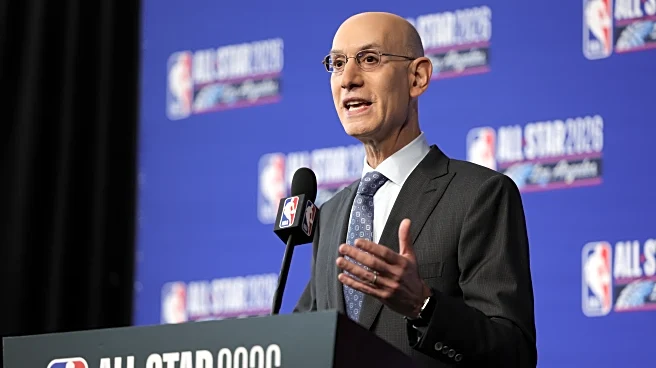
If the WNBA and the Players' Association fail to reach an agreement soon, the start of the 2026 season could be delayed. This would also postpone the expansion draft for new teams in Toronto and Portland. The urgency to finalize the CBA is underscored by the potential financial losses from missed games and diminished fan support. NBA Commissioner Adam Silver has emphasized the need for increased urgency in the negotiations. The next steps involve continued dialogue between the league and the union, with the aim of resolving outstanding issues and securing a timely agreement.