
What's Happening?
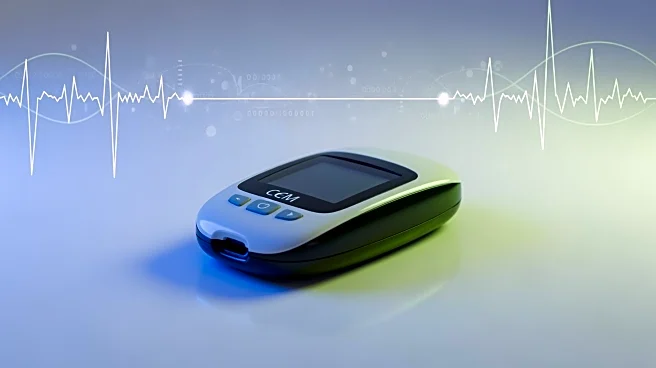
The U.S. market for self-care medical devices, particularly continuous glucose monitors (CGMs), is experiencing significant growth due to recent FDA approvals. These approvals have made over-the-counter
CGMs more accessible to consumers, enhancing diabetes management options. The self-care medical devices market, which includes products like blood glucose monitors, digital thermometers, and wearable health trackers, is projected to reach $36.5 billion by 2031. This growth is driven by increased health awareness, an aging population, and the prevalence of chronic diseases. The integration of artificial intelligence and telehealth technologies is also contributing to the market's expansion, offering more personalized and efficient health monitoring solutions.
Why It's Important?
The increased accessibility of continuous glucose monitors is crucial for diabetes management, a condition affecting millions of Americans. By allowing individuals to monitor their blood sugar levels more effectively, these devices can help prevent complications associated with diabetes, such as cardiovascular disease and nerve damage. The broader self-care medical devices market supports preventive care and early diagnosis, reducing the burden on healthcare systems. As the population ages and chronic diseases become more prevalent, the demand for home-based healthcare solutions is expected to rise, making these devices an essential component of modern healthcare strategies.
What's Next?
With the market for self-care medical devices expected to grow, further advancements in technology and regulatory approvals are anticipated. Companies may continue to innovate, integrating more sophisticated AI and telehealth features into their products. This could lead to more comprehensive health monitoring solutions that cater to a wider range of conditions beyond diabetes. Additionally, as consumer demand for convenient and effective health management tools increases, the market may see a rise in competition among manufacturers, potentially driving down costs and improving accessibility.
Beyond the Headlines
The expansion of the self-care medical devices market raises important ethical and privacy considerations, particularly regarding the use of AI and data collection. Ensuring that consumer data is protected and used responsibly will be a key challenge for manufacturers and regulators. Moreover, as these devices become more integrated into daily life, there may be cultural shifts in how individuals approach personal health management, potentially leading to greater autonomy and empowerment in healthcare decisions.