




What's Happening?
Ford Motor Company is playing a significant role in the electric vehicle market by supporting the recharging of electric ferries. Recently, a Candela P-12 electric hydrofoil vessel completed the longest electric sea journey to date between Sweden and Norway.
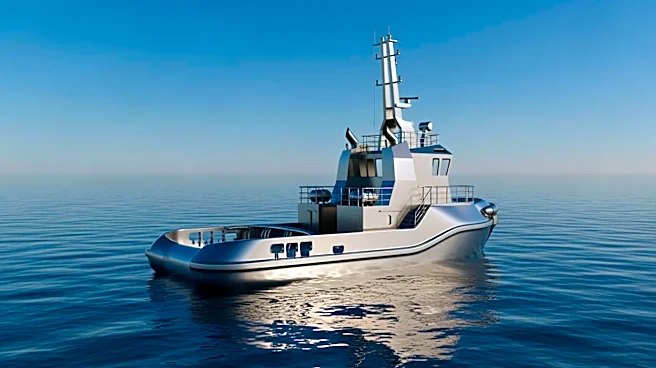
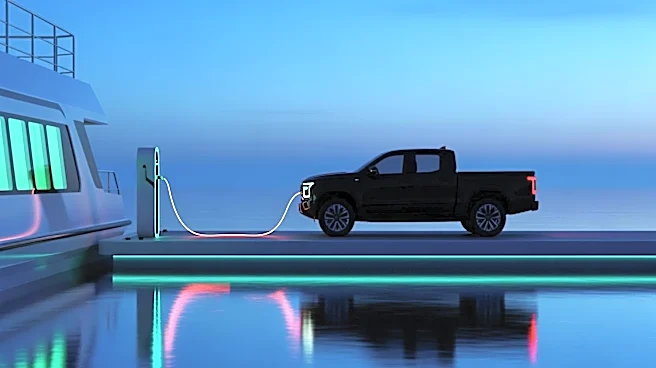
This journey was facilitated by a mobile battery system transported by a Ford F-150 Lightning pickup, demonstrating the capability of the P-12 to recharge using standard DC car fast chargers. The P-12 vessels, ordered by Norwegian operator Boreal AS, are set to revolutionize maritime transport along Norway's coastline by providing high-speed, zero-emission travel. The first two vessels are expected to be delivered in 2027, with additional vessels following annually until 2030.
Why It's Important?
The involvement of Ford Motor Company in the recharging process of electric ferries highlights the company's commitment to sustainable transport solutions. This development is crucial as it showcases the potential for electric vehicles to support broader electrification efforts beyond traditional road transport. The successful demonstration of the P-12's recharging capability using Ford's technology could encourage further adoption of electric ferries, reducing reliance on diesel-powered vessels and contributing to lower emissions in maritime transport. This aligns with global efforts to combat climate change and promote cleaner energy solutions.
What's Next?
As the first P-12 vessels are set to be delivered in 2027, stakeholders in the maritime and automotive industries will likely monitor the performance and impact of these electric ferries closely. The success of this initiative could lead to increased investment in similar technologies and partnerships, potentially expanding the use of electric ferries to other regions. Ford's involvement may also inspire other automotive companies to explore similar collaborations, further advancing the electrification of transport sectors.
Beyond the Headlines
The deployment of electric ferries in Norway represents a significant step towards sustainable maritime transport, with potential implications for global shipping practices. The reduction in energy consumption and emissions could set a precedent for other countries to follow, promoting environmental stewardship in the industry. Additionally, the collaboration between automotive and maritime sectors may lead to innovative solutions that bridge gaps between different transport modes, fostering a more integrated approach to sustainable travel.