





What's Happening?
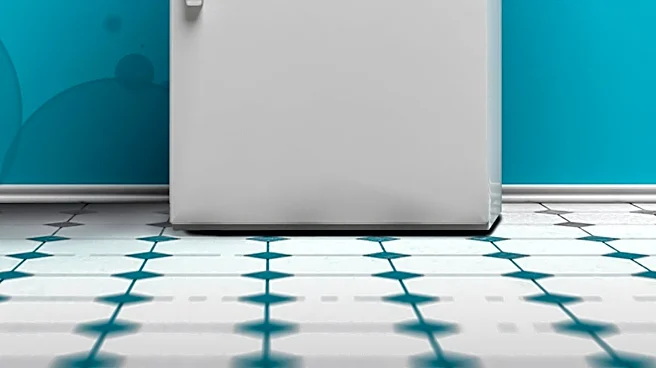
A recent analysis highlights the financial benefits of upgrading to energy-efficient refrigerators. Newer models, particularly those certified by Energy Star, consume significantly less electricity compared to models from a decade ago. This reduction
in energy use translates into lower utility bills over time. The analysis, which compared data from 2,630 refrigerators, found that side-by-side models offer the most savings, with an average of $340 in energy costs saved over ten years. Bottom-mounted freezers also show substantial savings, while compact refrigerators have seen little change in energy efficiency. The study emphasizes that while the initial cost of new appliances may be high, the long-term savings on energy bills can offset these costs.
Why It's Important?
The shift towards energy-efficient appliances is crucial for both consumers and the environment. For consumers, the potential savings on utility bills can be significant, especially in states with high electricity costs. This financial incentive encourages the adoption of newer, more efficient models, which in turn reduces overall energy consumption. Environmentally, the reduction in energy use contributes to lower carbon emissions, aligning with broader efforts to combat climate change. The findings also highlight the importance of considering energy efficiency when purchasing new appliances, as it can lead to substantial savings and environmental benefits over time.
What's Next?
As energy costs continue to rise, consumers are likely to prioritize energy efficiency in their purchasing decisions. Manufacturers may respond by increasing the production of energy-efficient models and enhancing their features to attract more buyers. Additionally, government incentives and rebates for energy-efficient appliances could further encourage consumers to upgrade. The trend towards smart home technology, despite its higher upfront costs, may also continue as consumers seek convenience and integration with other smart devices.