


What's Happening?
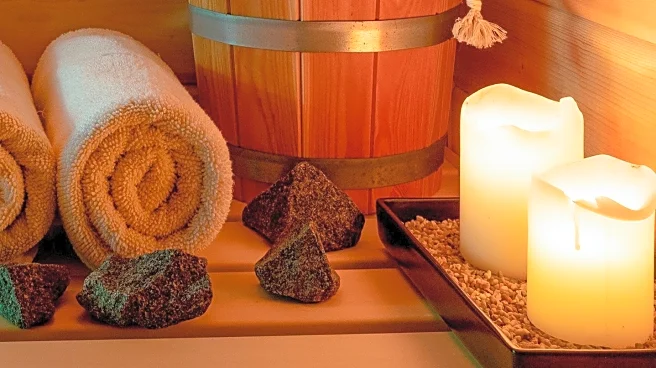
Saunas and cold plunges have gained popularity on social media as potential health boosters, with claims of improving immunity, burning fat, and alleviating joint pain. However, Dr. Heather Massey, an associate professor at the University of Portsmouth, cautions that while saunas can provide temporary relief and a sense of well-being, there is insufficient scientific evidence to confirm long-term health benefits. The body's ability to maintain a stable core temperature is challenged by saunas, potentially triggering adaptive responses. Despite anecdotal benefits, robust scientific trials are lacking, and experts advise caution, especially for individuals with underlying health conditions.
Why It's Important?
The growing trend of using saunas and cold plunges as health
remedies highlights a broader societal interest in alternative wellness practices. While these activities may offer psychological benefits and temporary physical relief, the lack of scientific validation raises concerns about their efficacy and safety. This trend underscores the need for more comprehensive research to understand the potential health impacts fully. As people increasingly seek non-traditional health solutions, the wellness industry could see shifts in consumer behavior, potentially influencing market dynamics and public health policies.
What's Next?
Further scientific research is needed to explore the potential health benefits of saunas and cold plunges. As interest in these practices grows, researchers may conduct more rigorous studies to determine their long-term effects on health. Meanwhile, individuals are advised to approach these activities with caution and consult healthcare professionals, particularly if they have pre-existing health conditions. The wellness industry may also see increased demand for products and services related to these practices, prompting businesses to innovate and adapt to consumer interests.
Beyond the Headlines
The popularity of saunas and cold plunges reflects a cultural shift towards holistic and experiential wellness practices. This trend may influence how people perceive health and wellness, prioritizing personal experiences and community activities over traditional medical advice. As these practices become more mainstream, they could also impact social dynamics, with group activities like cold-water swimming fostering community and social connections. The ethical implications of promoting unverified health benefits also warrant consideration, emphasizing the importance of evidence-based health communication.