






What's Happening?
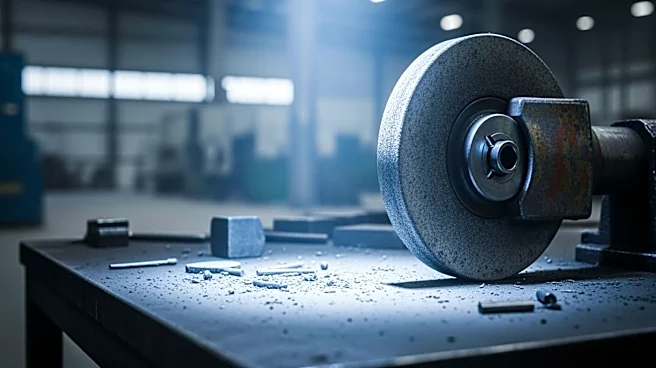
Phoenix Naylors Abrasives, the UK's only domestic producer of certain grinding wheel and abrasive products, has ceased operations, leading to a major asset sale. The Chesterfield-based company, founded in 1968, specialized in manufacturing abrasive components
used in rail track maintenance and other industries. The closure has raised concerns about the loss of specialist manufacturing capabilities in the UK, as the company was the sole domestic manufacturer of its kind. The sale, managed by Landwood Group, includes over 1,000 lots of plant, machinery, and stock, offering businesses in engineering and fabrication the opportunity to acquire high-quality assets at competitive prices.
Why It's Important?
The closure of Phoenix Naylors Abrasives marks a significant loss for the UK's manufacturing sector, particularly in the niche area of abrasive products. This development highlights the challenges faced by domestic manufacturers in maintaining competitiveness and sustainability. The reliance on overseas suppliers for critical components could impact industries such as rail, fabrication, and heavy engineering, potentially leading to increased costs and supply chain vulnerabilities. The asset sale provides a short-term opportunity for businesses to acquire valuable equipment, but the long-term implications for the UK's industrial capabilities remain concerning.
What's Next?
The online auction of Phoenix Naylors' assets is set to close on April 29, offering businesses the chance to secure specialist equipment and materials. The closure may prompt discussions among industry stakeholders about strategies to support domestic manufacturing and reduce reliance on foreign suppliers. Policymakers and industry leaders might explore initiatives to bolster the UK's manufacturing sector, focusing on innovation and sustainability to prevent similar closures in the future.
Beyond the Headlines
The demise of Phoenix Naylors Abrasives underscores the broader challenges faced by niche manufacturers in the UK. It raises questions about the sustainability of domestic production in specialized sectors and the need for strategic support from government and industry bodies. The situation highlights the importance of fostering innovation and resilience within the manufacturing sector to ensure long-term viability and competitiveness.