
What's Happening?
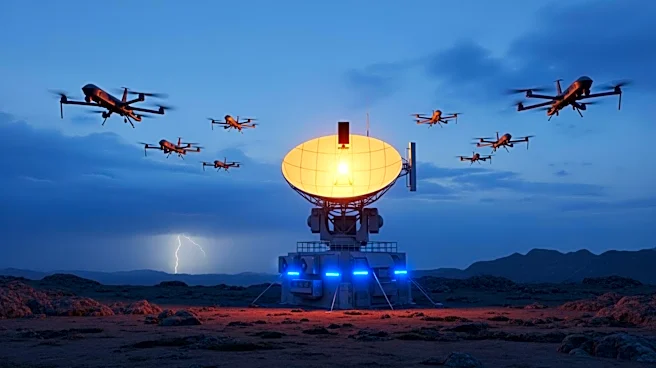
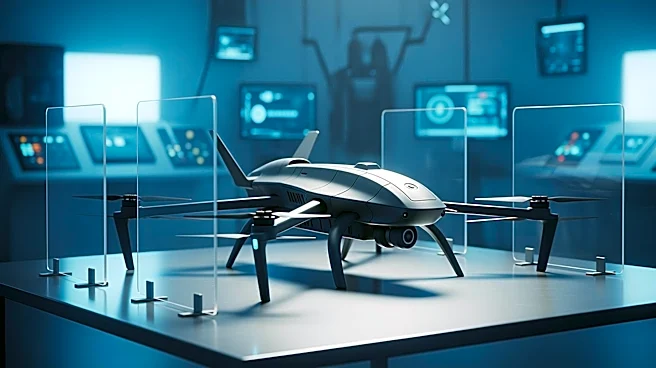
Ukrainian defense startups are gaining attention from U.S. investors and the Pentagon, particularly in the field of drone technology. Companies like Swarmer, which specializes in AI software for controlling
multiple drones, have seen significant investment interest, with shares rising dramatically. A joint venture between Ukraine's SkyFall and the UK's SkyCutter recently won a Pentagon competition, highlighting the potential of Ukrainian technology. However, U.S. export-control laws are creating barriers for these companies to develop and produce advanced defense products in the United States. The process of obtaining licenses to transfer U.S.-developed technology back to Ukraine is slow, taking several months, which hinders rapid development cycles. There are calls for the U.S. government to expedite the International Traffic in Arms Regulations (ITAR) process to facilitate better cooperation with Ukrainian firms.
Why It's Important?
The situation underscores the growing importance of international collaboration in defense technology, particularly in the rapidly evolving field of drones. Ukrainian companies have demonstrated significant expertise and innovation, which could enhance U.S. defense capabilities. However, the current export laws may impede the Pentagon's ability to access cutting-edge technology, potentially affecting national security and defense readiness. Streamlining the export process could not only benefit U.S. defense interests but also strengthen strategic alliances with Ukraine, a key partner in countering regional threats. The outcome of this issue could influence future U.S. defense procurement strategies and international partnerships.
What's Next?
There is potential for policy changes to address these export barriers. Stakeholders, including defense companies and policymakers, may push for legislative or regulatory adjustments to facilitate smoother technology transfers. The Pentagon might also explore alternative mechanisms to integrate foreign-developed technologies more efficiently. The outcome of these efforts could set a precedent for how the U.S. engages with international defense partners, particularly in regions with strategic importance.