



What's Happening?
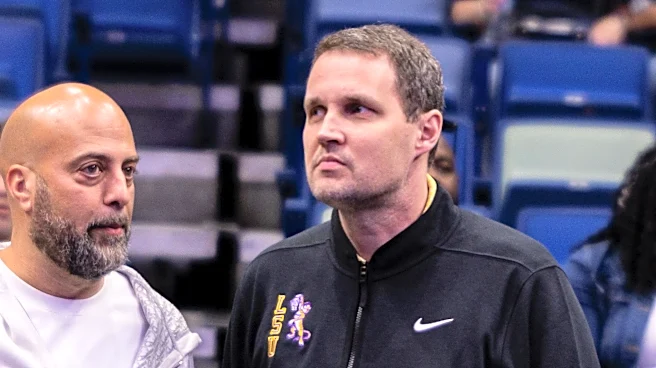
NC State University is investigating potential legal claims against Louisiana State University (LSU) concerning the departure of men's basketball coach Will Wade. The investigation focuses on whether LSU violated North Carolina state law by inducing Wade to
breach his contract with NC State. The university's vice chancellor and general counsel, Allison B. Newhart, communicated with LSU's general counsel, Carlton Jones, regarding the matter. NC State has received requests from LSU to release claims against them, which the university has not agreed to. The investigation includes examining if LSU's actions violated the state's Unfair and Deceptive Trade Practices Act, which could lead to financial damages and attorney fees. The timing of Wade's buyout payment is also under scrutiny, as LSU hired Wade shortly after his public commitment to NC State, with a buyout clause that decreased after April 1.
Why It's Important?
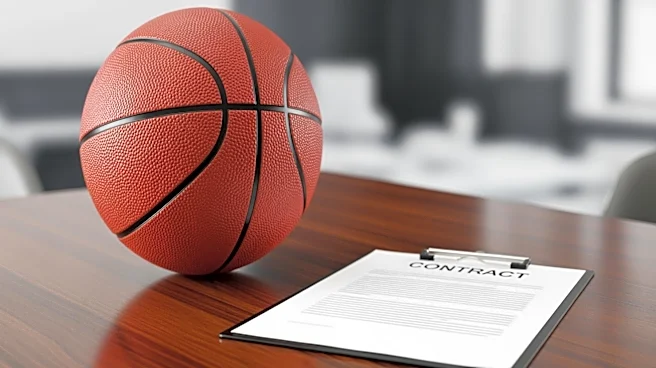
This investigation highlights the complexities and potential legal ramifications involved in high-profile coaching changes in college sports. The outcome could impact contractual negotiations and employment agreements within collegiate athletics, setting precedents for how universities handle similar situations. If NC State's claims are substantiated, it could lead to financial penalties for LSU and influence future hiring practices. The case underscores the importance of adhering to contractual obligations and the potential consequences of perceived interference in such agreements. Stakeholders in college sports, including universities and athletic departments, may need to reassess their strategies to avoid similar disputes.
What's Next?
NC State's investigation is ongoing, and the university has not provided additional comments beyond the contents of the letter sent to LSU. The outcome of this investigation could lead to legal action if NC State decides to pursue claims against LSU. Both universities may engage in further negotiations to resolve the matter outside of court. The situation may also prompt other universities to review their contractual agreements and hiring practices to prevent similar issues. The broader college sports community will likely monitor the case closely, as its resolution could influence future coaching contracts and employment practices.