





What's Happening?
A recent survey conducted by the American Farm Bureau Federation (AFBF) reveals that a significant number of U.S. farmers are facing financial difficulties, with 94% of respondents indicating that their financial situation has either worsened or remained
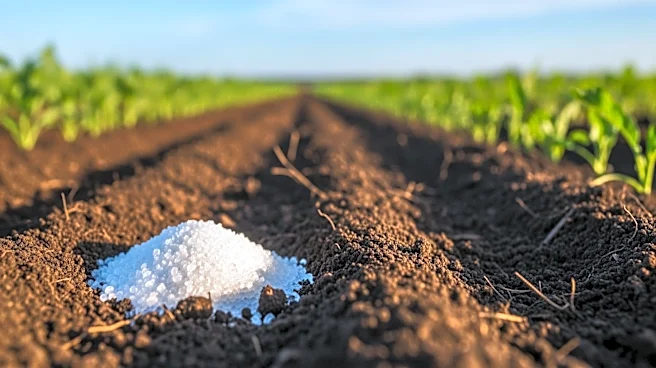
unchanged since the previous year. The survey, which included over 5,700 producers, highlights the challenges faced by farmers due to rising costs of essential inputs such as fertilizer, fuel, and equipment. AFBF President Zippy Duvall noted that these financial pressures are compounded by the fact that farmers often do not have control over the prices of their products. The survey also found that fewer than 20% of farmers prebooked fertilizer purchases before the planting season, with only 19% of Southern farmers doing so. In the Midwest, nearly a third of farmers are entering the planting season without securing all necessary fertilizer supplies for 2026.
Why It's Important?
The findings of the AFBF survey underscore the broader economic challenges facing the U.S. agricultural sector. Rising input costs are forcing farmers to reconsider their planting strategies, potentially leading to reduced acreage or lower fertilizer application, which could impact crop yields and overall agricultural productivity. This financial strain on farmers could have ripple effects throughout the agricultural supply chain, affecting food prices and availability. The situation also highlights the vulnerability of the agricultural sector to external economic pressures, which could influence policy discussions around agricultural subsidies, trade policies, and support mechanisms for farmers.
What's Next?
As farmers grapple with these financial challenges, there may be increased calls for policy interventions to support the agricultural sector. This could include measures to stabilize input costs, provide financial assistance, or enhance market access for farmers. Additionally, farmers may seek to adopt more efficient farming practices or explore alternative crops that require fewer inputs. The ongoing financial strain could also lead to consolidation within the agricultural sector, as smaller farms struggle to remain viable. Stakeholders, including policymakers, industry groups, and farmers themselves, will need to collaborate to address these challenges and ensure the sustainability of the U.S. agricultural industry.