


What's Happening?
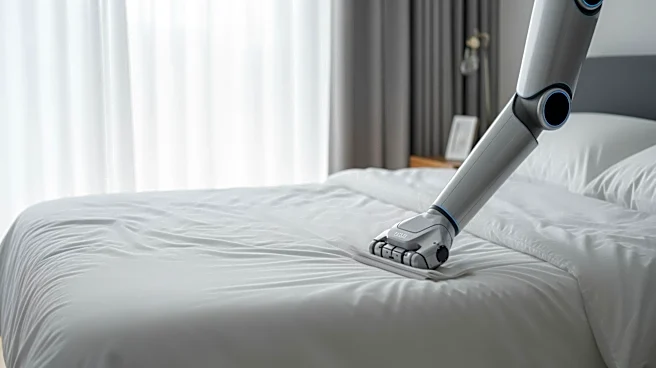
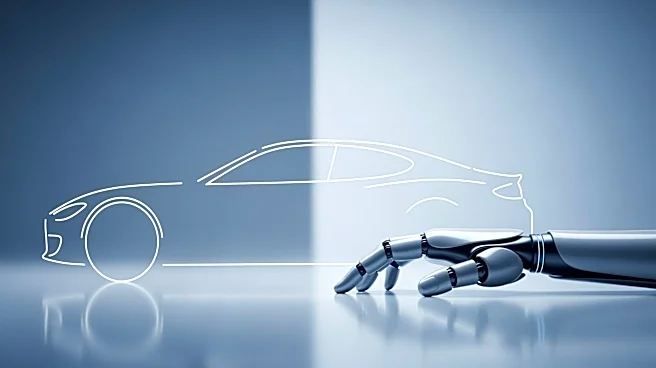
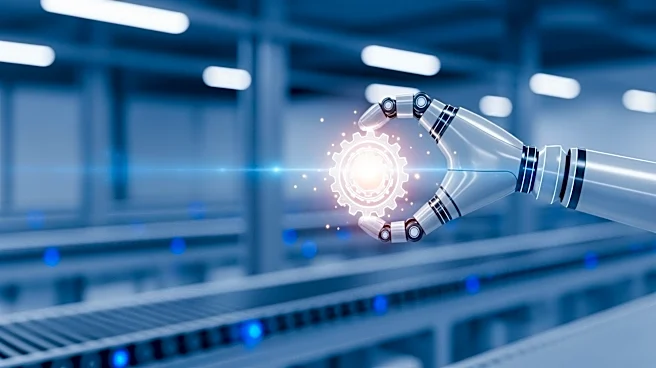
Tesla has officially ended the production of its Model S and Model X vehicles at its Fremont, California plant. This decision follows an announcement made in January, with the production lines now being repurposed for the manufacturing of Tesla's humanoid
robots. The Model S and Model X, which have been in production for 14 and 11 years respectively, were significant in Tesla's lineup but have seen declining sales in recent years. The final Model S, a black unit signed by production staff, marks the end of an era for Tesla. Additionally, Tesla released a limited Signature Edition of these models, featuring unique garnet red paint and gold accents, but the delivery event for these vehicles has been postponed, causing dissatisfaction among customers.
Why It's Important?
The discontinuation of the Model S and Model X signifies a strategic shift for Tesla as it reallocates resources towards new technological ventures, such as humanoid robots. This move reflects Tesla's adaptation to market demands and its focus on innovation beyond traditional electric vehicles. The decision impacts Tesla's brand identity, as the Model S was pivotal in establishing Tesla's reputation in the luxury electric vehicle market. The postponement of the Signature Edition delivery event highlights potential customer relations challenges, as affected buyers express frustration over the delay and associated costs. This situation underscores the importance of effective communication and customer service in maintaining brand loyalty.
What's Next?
Tesla's transition to producing humanoid robots at the Fremont plant suggests a new direction in its product offerings, potentially opening up new markets and revenue streams. The company may face challenges in scaling production and ensuring quality in this new venture. Meanwhile, Tesla needs to address customer concerns regarding the postponed Signature Edition delivery event, possibly by offering compensation or rescheduling the event promptly. The automotive industry will be watching closely to see how Tesla's strategic shift influences its market position and whether it can maintain its innovative edge in the face of evolving consumer preferences and technological advancements.