
What's Happening?
The shift towards plant-based agriculture is gaining momentum as it offers a more sustainable approach to food production. This method focuses on growing crops directly for human consumption, which requires
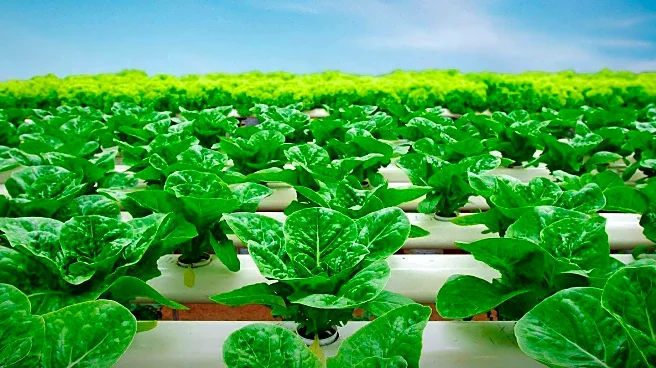
significantly less land, water, and results in fewer greenhouse gas emissions compared to traditional animal agriculture. The practice of regenerative plant-based farming is highlighted for its ability to work with the natural ecosystem, enhancing soil health and sequestering carbon. Techniques such as cover cropping, crop rotation, and reduced tillage are being applied at scale, promoting a more efficient and environmentally friendly agricultural system. The integration of technology, such as vertical farming and precision agriculture, alongside traditional methods, is paving the way for a more sustainable future in food production.
Why It's Important?
The transition to plant-based agriculture is crucial for addressing global challenges related to food security, environmental sustainability, and resource efficiency. By reducing reliance on animal agriculture, which uses a disproportionate amount of resources for minimal caloric output, plant-based systems can help mitigate climate change impacts and preserve biodiversity. This shift also presents economic opportunities, as investment in alternative proteins and sustainable farming practices is on the rise. Rural communities may benefit from new crop opportunities, aligning with consumer demand for sustainable food options. The movement towards plant-based agriculture represents a significant step towards creating a resilient food system that can support a growing global population while minimizing environmental impact.
What's Next?
As the interest in plant-based agriculture continues to grow, further advancements in technology and farming practices are expected. Policymakers and industry leaders may focus on supporting this transition through incentives and research funding. Farmers transitioning from traditional animal agriculture may require support and resources to adapt to new methods. The ongoing development of plant breeding and precision agriculture technologies will likely enhance the efficiency and sustainability of plant-based systems. Consumer education and awareness will play a critical role in driving demand for plant-based products, influencing market trends and encouraging further investment in sustainable agriculture.
Beyond the Headlines
The shift towards plant-based agriculture also raises ethical and cultural considerations. It challenges traditional dietary norms and agricultural practices, prompting a reevaluation of food systems and their impact on the planet. The movement encourages a holistic view of food production, emphasizing the interconnectedness of human health, environmental sustainability, and economic viability. As more people adopt plant-based diets, there may be broader societal shifts towards valuing sustainability and environmental stewardship. This transition also highlights the importance of preserving indigenous farming knowledge and practices, which offer valuable insights into sustainable agriculture.