
What's Happening?
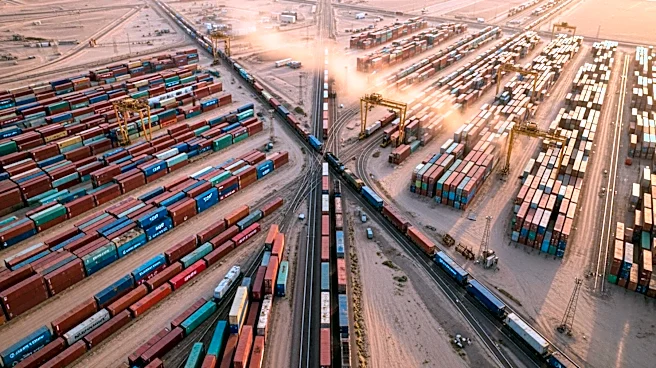
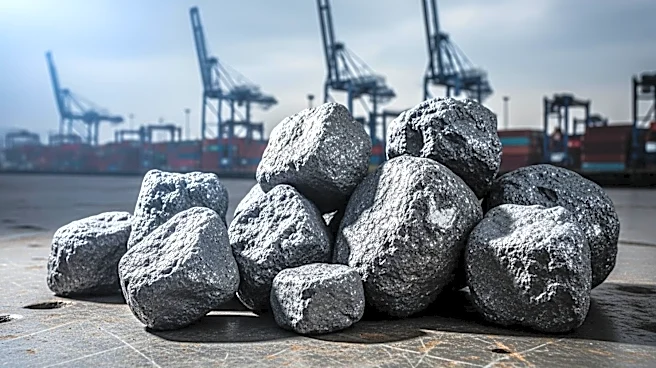
Iron ore prices are experiencing a second consecutive weekly loss due to high inventory levels at Chinese ports, which rose to 177.5 million tons. The market is under pressure from potential increases
in spot availability as China negotiates supply contracts with BHP. Additionally, Vietnam's imposition of anti-dumping levies on Chinese steel products has further impacted prices. Despite these challenges, signs of improving demand from resumed mill production have helped limit the price drop. The ongoing Middle East conflict is indirectly affecting iron ore by increasing freight and fuel costs.
Why It's Important?
The fluctuations in iron ore prices have significant implications for global steel production and trade. High inventory levels in China, the world's largest consumer, can lead to price volatility, affecting profitability for producers and exporters. The anti-dumping measures by Vietnam highlight the complexities of international trade relations and their impact on commodity markets. As freight and fuel costs rise due to geopolitical tensions, stakeholders must navigate these challenges to maintain competitive pricing and supply chain efficiency.
What's Next?
Market participants will closely monitor the outcome of China's supply contract negotiations and Vietnam's trade policies, which could influence future price movements. The resumption of mill production may signal a recovery in demand, potentially stabilizing prices. However, ongoing geopolitical tensions and trade barriers could continue to pose risks to the iron ore market. Stakeholders may need to adjust their strategies to mitigate these uncertainties and capitalize on emerging opportunities.