


What's Happening?
Azelaic acid is gaining attention in the skincare industry for its ability to address acne, rosacea, and dark spots. Dermatologists highlight its benefits as a milder alternative to other acne treatments, making it suitable for sensitive skin. Azelaic acid works
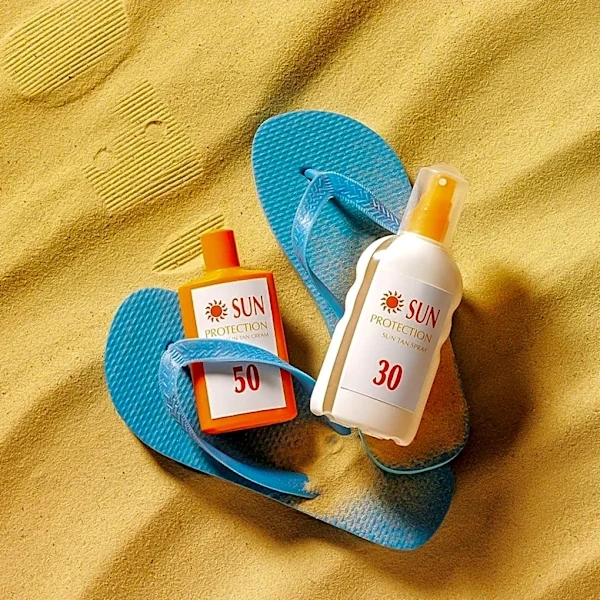
by inhibiting tyrosinase, an enzyme responsible for melanin production, thus helping to even out skin tone and reduce hyperpigmentation. It also has antibacterial properties that help unclog pores and reduce inflammation. Available in both prescription and over-the-counter forms, azelaic acid is often combined with other ingredients like retinol and vitamin C to enhance its effectiveness. Experts recommend using it alongside sunscreen to prevent UV-induced pigmentation.
Why It's Important?
The increasing popularity of azelaic acid in skincare reflects a shift towards gentler, more inclusive treatment options for skin conditions. Its ability to treat multiple issues such as acne, rosacea, and hyperpigmentation without causing significant irritation is particularly beneficial for individuals with sensitive skin. This trend also highlights the growing consumer demand for multifunctional skincare products that offer comprehensive solutions. The use of azelaic acid can potentially reduce the need for harsher treatments, thereby minimizing the risk of adverse reactions and promoting better skin health.
What's Next?
As awareness of azelaic acid's benefits grows, it is likely that more skincare brands will incorporate this ingredient into their product lines. Continued research and development may lead to new formulations that enhance its efficacy and broaden its application. Dermatologists may increasingly recommend azelaic acid as a first-line treatment for patients with sensitive skin or those seeking a gentler alternative to traditional acne medications. The skincare industry may also see a rise in consumer education efforts to inform users about the proper use and benefits of azelaic acid.