







What's Happening?
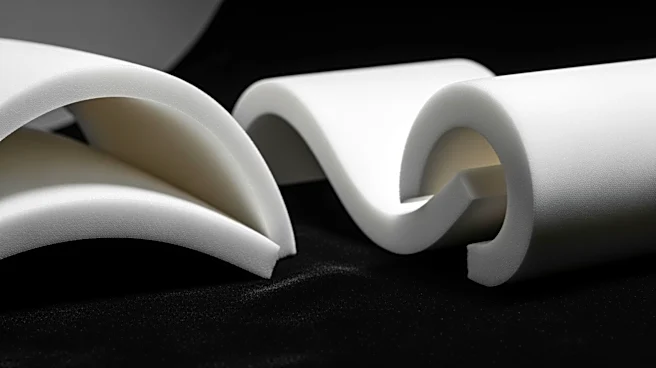
Drag queens have long been recognized for their ability to transform their bodies through the art of padding, a technique that involves using specialized foam or silicon inserts to create desired body shapes. This practice is highlighted in the context
of the 2026 Met Gala, which celebrates the Costume Institute's exhibition 'Costume Art,' focusing on the dressed body's centrality. Drag queens, known for their body-forward dressing, use padding to emulate and sometimes subvert traditional beauty standards. Notable figures like Bob the Drag Queen and Jimbo have mastered these techniques, creating hourglass figures and other shapes that reflect their personal style and identity. The use of padding allows drag performers to express their creativity and individuality, making it a crucial element of their performance art.
Why It's Important?
The art of padding in drag culture is significant as it challenges and redefines traditional notions of beauty and body image. By using padding, drag queens can create and control their visual identity, which is a powerful form of self-expression. This practice not only highlights the creativity and skill involved in drag performance but also raises broader questions about gender norms and the societal expectations of body image. The ability to transform one's body through padding allows for a celebration of diversity and individuality, promoting acceptance and understanding of different forms of beauty. This cultural practice also influences fashion and art, as seen in events like the Met Gala, where the relationship between clothing and the body is explored.
What's Next?
As drag culture continues to gain mainstream recognition, the techniques and artistry involved in padding are likely to influence broader fashion and cultural trends. The visibility of drag queens at high-profile events like the Met Gala may inspire designers and artists to incorporate similar body-transforming techniques in their work. Additionally, the ongoing dialogue about body image and gender expression may lead to more inclusive and diverse representations in media and fashion. The continued celebration of drag culture can foster greater acceptance and appreciation for non-traditional forms of beauty and identity.
Beyond the Headlines
The use of padding in drag culture not only serves as a tool for transformation but also as a statement on the fluidity of gender and identity. By manipulating their bodies, drag queens challenge rigid gender binaries and highlight the performative nature of gender itself. This practice encourages audiences to question and reconsider their perceptions of gender and beauty, promoting a more inclusive and open-minded society. Furthermore, the artistry involved in padding underscores the skill and dedication required in drag performance, elevating it to a respected form of art and entertainment.