







What's Happening?
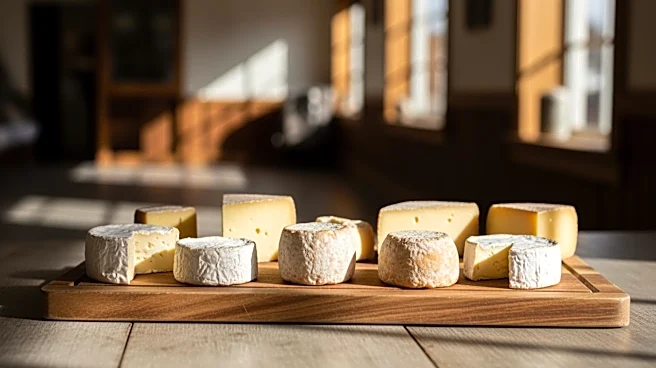
DTLA Cheese, a well-known cheese shop in downtown Los Angeles, is closing its doors after more than 12 years in business. Co-owners Lydia Clarke and Reed Herrick opened the shop in 2013 as part of a wave of new businesses contributing to the area's revitalization.
Despite its success as a community gathering spot and its role in downtown's renaissance, the shop faced insurmountable challenges, including rising costs and economic pressures exacerbated by the pandemic. The closure highlights the difficulties small businesses face in maintaining operations amid economic downturns and changing consumer behaviors. While DTLA Cheese is closing, the owners' adjacent wine bar, Kippered, will remain open, continuing to serve the local community.
Why It's Important?
The closure of DTLA Cheese underscores the broader economic challenges facing small businesses, particularly in urban areas like downtown Los Angeles. The shop's shutdown reflects the impact of rising operational costs, decreased consumer spending, and the lingering effects of the pandemic on retail and hospitality sectors. This development is significant as it highlights the vulnerability of small businesses to economic fluctuations and the importance of supportive policies and community engagement in sustaining local enterprises. The closure also raises concerns about the future of downtown revitalization efforts, as small businesses play a crucial role in creating vibrant and diverse urban communities.
What's Next?
Following the closure of DTLA Cheese, the focus will likely shift to supporting remaining businesses in downtown Los Angeles to prevent further closures. This may involve increased community initiatives to drive foot traffic and consumer spending in the area. Additionally, there may be calls for policy changes to provide financial relief and support to small businesses facing similar challenges. The owners of DTLA Cheese plan to continue engaging with the community through their wine bar, Kippered, and by hosting cheese-related events, which could help maintain a sense of community and continuity despite the shop's closure.