
What's Happening?
The U.S. Labor Department announced that initial unemployment claims fell to 189,000 for the week ending April 25, marking the lowest level since September 1969. This figure represents a decrease of 26,000
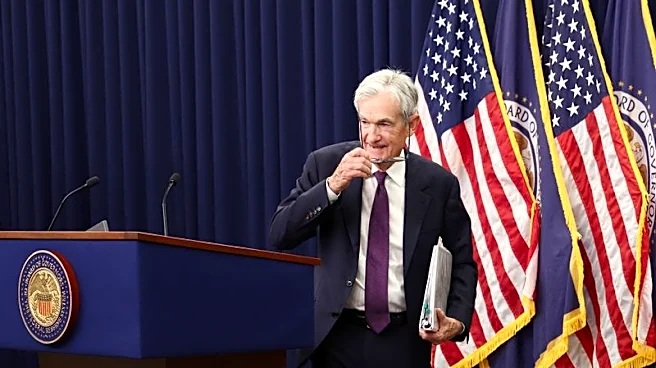
from the previous week's revised total of 215,000. The four-week moving average, which helps smooth out weekly fluctuations, also dropped to 207,500. Despite recent layoffs by major companies like Meta Platforms, Nike, Morgan Stanley, and Amazon, the labor market remains stable. Federal Reserve Chair Jerome Powell noted signs of stability in the labor market, which influenced the Fed's decision to maintain its benchmark interest rate. The number of ongoing unemployment benefit recipients also decreased to 1.785 million, the lowest in two years.
Why It's Important?
The decline in jobless claims to a historic low suggests a robust labor market, which is crucial for economic stability. This trend indicates that despite high-profile layoffs, the overall job market remains resilient. A stable labor market can bolster consumer confidence and spending, which are vital for economic growth. The Federal Reserve's decision to hold interest rates steady reflects confidence in the labor market's strength. However, the 'low-hire, low-fire' dynamic may limit job opportunities for those recently laid off, potentially affecting long-term employment prospects. The sustained low unemployment rate could also influence future monetary policy decisions.
What's Next?
If the trend of low jobless claims continues, it may prompt the Federal Reserve to reassess its monetary policy, potentially leading to interest rate adjustments. Policymakers will likely monitor the labor market closely to ensure that it supports economic growth without overheating. Employers may need to adapt to a tight labor market by offering competitive wages and benefits to attract and retain talent. Additionally, the ongoing stability in jobless claims could influence legislative discussions on labor and economic policies.