





What's Happening?
The rise of GLP-1 medications, such as Ozempic and Wegovy, is influencing consumer eating habits, leading to significant changes in food packaging strategies. These medications, which reduce appetite, are prompting consumers to opt for smaller portions
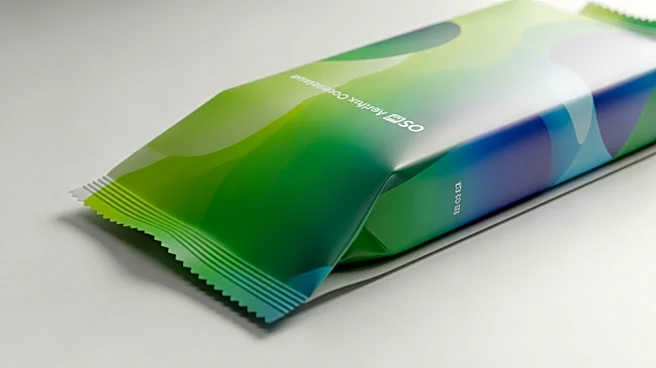
and more mindful eating choices. As a result, food businesses are adapting by introducing packaging that supports portion control and maintains freshness. Inline Plastics, a company specializing in food packaging, is helping businesses align their packaging strategies with these evolving consumer behaviors. The shift towards smaller, snack-oriented containers and resealable packaging reflects a broader movement towards wellness and convenience in food consumption.
Why It's Important?
The impact of GLP-1 medications on consumer behavior is reshaping the food industry, particularly in how products are packaged and marketed. This shift presents both challenges and opportunities for food businesses. Companies that adapt to these changes can better meet consumer demands, reduce waste, and enhance product appeal. The trend towards healthier and more convenient eating habits is likely to continue, driven by both medication influences and a general shift towards wellness. Businesses that fail to adjust may struggle to compete in a market that increasingly values flexibility and portion control.
What's Next?
As consumer expectations continue to evolve, food businesses will need to remain agile in their packaging strategies. The focus will likely be on developing innovative packaging solutions that cater to the demand for smaller portions and convenience. Companies may also explore new materials and designs that enhance product freshness and safety. Ongoing research into consumer behavior will be crucial for businesses to stay ahead of trends and maintain competitiveness. Collaboration with packaging experts like Inline Plastics can provide valuable insights and support in navigating these changes.