




What's Happening?
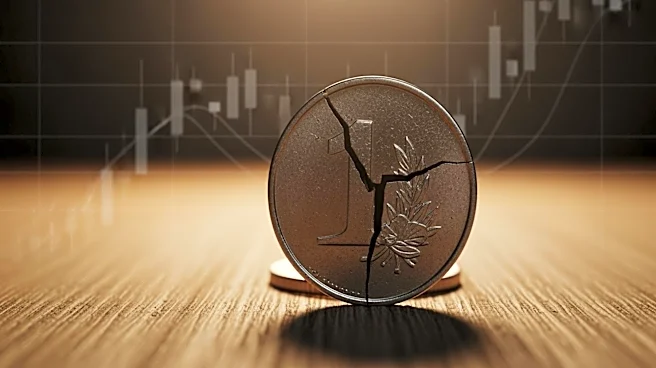
The U.S. economy is grappling with persistent inflation, which remains a significant concern despite a resilient economic performance. Inflation has been a persistent issue since 2021, and recent developments, including an oil price shock due to the Iran
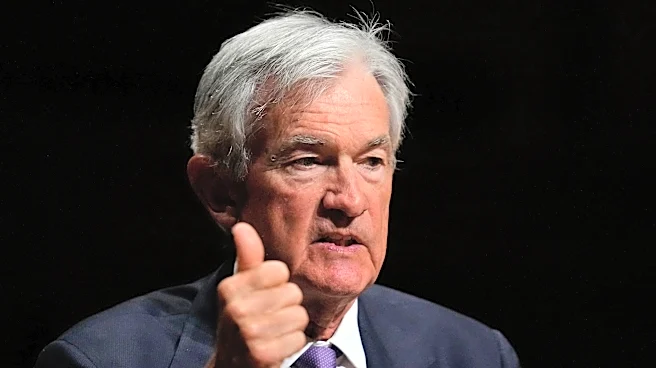
war, have exacerbated the situation. The savings rate among Americans has decreased significantly from pre-pandemic levels, leading many to borrow money to manage expenses. The Federal Reserve Chair, Jerome Powell, and other economists have noted that while the economy is not in a recession, the inflationary pressures are causing financial strain, particularly for low- and middle-income Americans. Wage growth has not kept pace with inflation, further eroding purchasing power.
Why It's Important?
The ongoing inflationary pressures have significant implications for the U.S. economy and its citizens. The reduced savings rate and increased borrowing indicate financial vulnerability among Americans, which could lead to broader economic challenges if not addressed. The situation highlights the need for effective monetary policies to manage inflation without stifling economic growth. The impact is particularly severe on low- and middle-income households, who spend a larger portion of their income on essentials like food and energy. This economic strain could influence public sentiment and policy decisions, especially as inflation remains a top concern for voters.
What's Next?
Economists predict that inflation will continue to be a challenge in the coming months, with the potential for further price increases depending on the duration of the Iran conflict and its impact on oil prices. Policymakers may need to consider additional measures to support households and stabilize the economy. The Federal Reserve's approach to interest rates and other monetary tools will be crucial in managing inflationary pressures while supporting economic growth.