


What's Happening?
Wayne Elsey, a prominent social entrepreneur and founder of Elsey Enterprises, has released a new book titled 'The Reuse Economy: Breaking Free from Throwaway Culture.' The book, now available on Amazon, outlines a shift from the traditional 'take-make-waste'
model to a sustainable, circular economy. Elsey, known for his work with brands like TreeRaise and Sneakers4Good, emphasizes the importance of repurposing gently used items to reduce landfill waste and support micro-entrepreneurs in developing countries. The book draws on Elsey's personal experiences, including his visits to Haiti after the 2010 earthquake, to illustrate how repurposed goods can empower communities and foster economic self-reliance.
Why It's Important?
The release of 'The Reuse Economy' is significant as it addresses the growing need for sustainable practices in consumer behavior and business operations. By advocating for a circular economy, Elsey's book highlights the potential for reducing environmental impact while simultaneously supporting economic development in underprivileged regions. This approach not only helps in minimizing waste but also provides a viable economic model for communities in countries like Guatemala, Honduras, and Haiti. The book serves as a resource for consumers and business leaders to make informed decisions that promote sustainability and economic resilience.
What's Next?
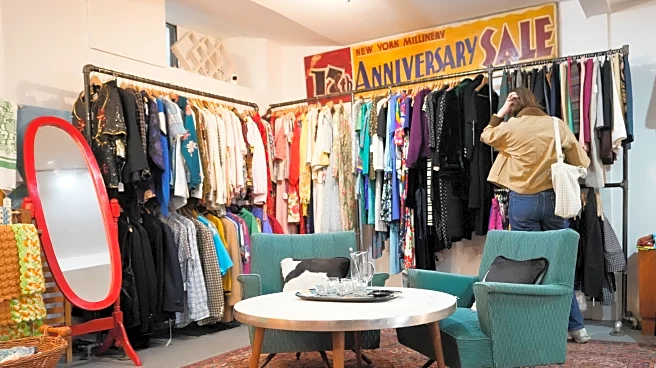
The book's release could inspire further discussions and actions towards adopting sustainable practices in various industries. Stakeholders, including policymakers, business leaders, and consumers, may explore ways to integrate the principles of the reuse economy into their operations and daily lives. This could lead to increased support for second-hand markets and policies that encourage product longevity over disposability. As awareness grows, there may be a shift in consumer preferences towards products and brands that prioritize sustainability.
Beyond the Headlines
Beyond its immediate impact, 'The Reuse Economy' could contribute to a cultural shift in how society views consumption and waste. By framing sustainability as a practical and economically beneficial choice, the book challenges the notion that environmental responsibility is solely a moral obligation. It encourages individuals and businesses to see the reuse economy as a viable path to innovation and growth, potentially influencing future generations to prioritize sustainability in their personal and professional lives.