






What's Happening?
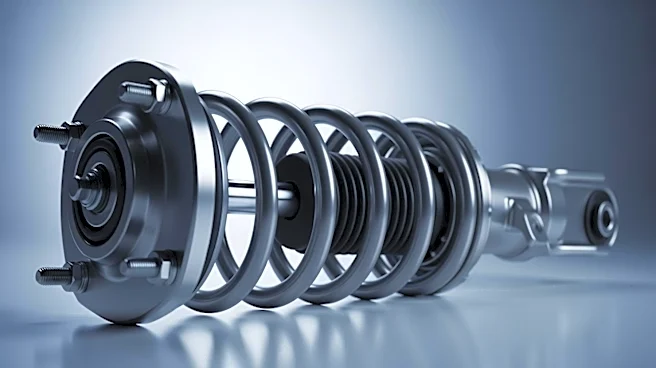
Honda is recalling more than 880,000 vehicles in the United States due to potential failures in rear suspension components that could lead to loss of control and increase the risk of crashes. The recall affects specific models, including the 2016-2022
Honda Pilot, 2017-2023 Ridgeline, 2019-2023 Passport, and 2014-2020 Acura MDX. These vehicles were sold in several states, including Connecticut, Delaware, and New York, among others. The issue involves corrosion at suspension mounting points, which could cause the rear suspension to fail. Although Honda estimates that only 1% of the vehicles have the defect, the company has not reported any warranty claims, injuries, or deaths related to the problem. Honda plans to notify owners by mail starting July 7, and dealers will inspect and repair the vehicles at no cost to the owners.
Why It's Important?
This recall is significant as it highlights ongoing safety concerns within the automotive industry, particularly regarding vehicle component durability and reliability. For Honda, a major player in the U.S. automotive market, addressing this issue is crucial to maintaining consumer trust and safety standards. The recall could impact Honda's reputation and financial performance, especially if further defects are discovered. For consumers, the recall underscores the importance of vehicle maintenance and awareness of potential safety issues. It also emphasizes the role of regulatory bodies like the National Highway Traffic Safety Administration in ensuring vehicle safety and protecting public welfare.
What's Next?
Honda will begin notifying affected vehicle owners by July 7, and the company will provide free inspections and repairs. The recall process will likely involve coordination with dealerships to manage the inspection and repair workload efficiently. Consumers are advised to check their vehicle identification numbers on the NHTSA website to confirm if their vehicle is affected. The automotive industry and regulatory bodies will continue to monitor the situation to ensure compliance and address any further safety concerns that may arise.