

What's Happening?
The Federal Reserve has decided to maintain its key interest rate within the range of 3.5% to 3.75% following its two-day policy meeting. This decision comes amidst ongoing inflation concerns and geopolitical uncertainties, particularly due to the conflict
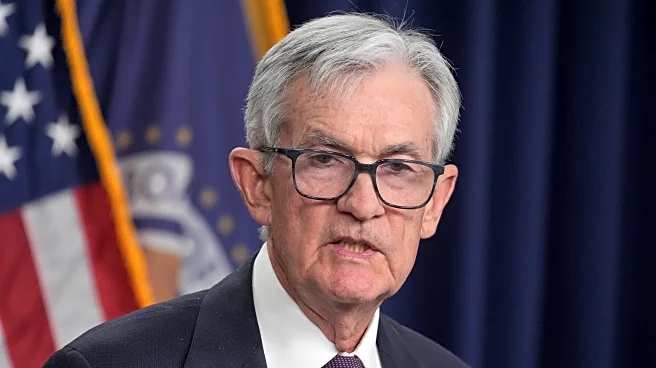
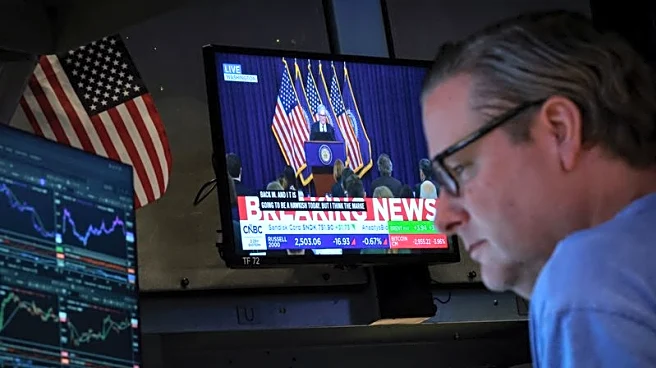
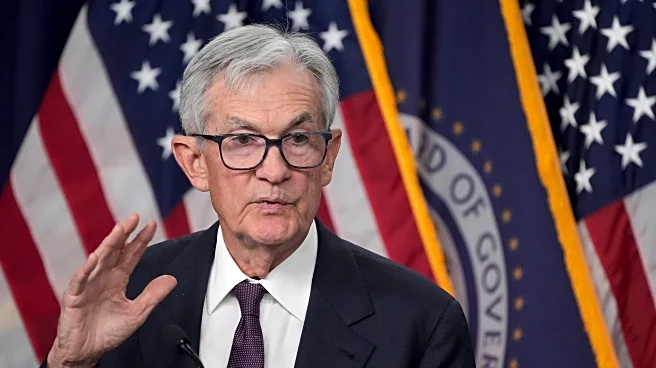
in Iran. The Federal Reserve's Summary of Economic Projections (SEP) for 2026 indicates a median forecast for one rate cut within the year. The recent surge in oil prices, attributed to the Middle East conflict, has added complexity to the Federal Reserve's economic outlook, as inflation remains above the central bank's 2% target. Additionally, the labor market is showing signs of slowing down. Federal Reserve Chair Jerome Powell highlighted the challenges posed by the oil shock and the slower-than-expected progress on inflation during a press conference.
Why It's Important?
The Federal Reserve's decision to hold interest rates steady is significant as it reflects the central bank's cautious approach in navigating the current economic landscape marked by high inflation and geopolitical tensions. The decision impacts various stakeholders, including businesses and consumers, as interest rates influence borrowing costs and economic activity. The ongoing conflict in Iran and the resulting oil price surge have complicated the Federal Reserve's efforts to manage inflation, which remains above its target. The labor market's slowdown further adds to the economic uncertainty. The Federal Reserve's projections for a potential rate cut later in the year suggest a cautious optimism about future economic conditions, but also highlight the challenges in achieving stable economic growth.
What's Next?
Looking ahead, the Federal Reserve's future actions will likely depend on developments in inflation, the labor market, and geopolitical events. The central bank's projections for a rate cut later in the year indicate a potential shift in monetary policy if economic conditions stabilize. Stakeholders, including businesses and investors, will closely monitor the Federal Reserve's communications and economic indicators for signs of policy adjustments. The ongoing conflict in Iran and its impact on oil prices will remain a critical factor influencing the Federal Reserve's decisions. Additionally, the central bank's ability to manage inflation and support economic growth will be pivotal in shaping the U.S. economic outlook.