




What's Happening?
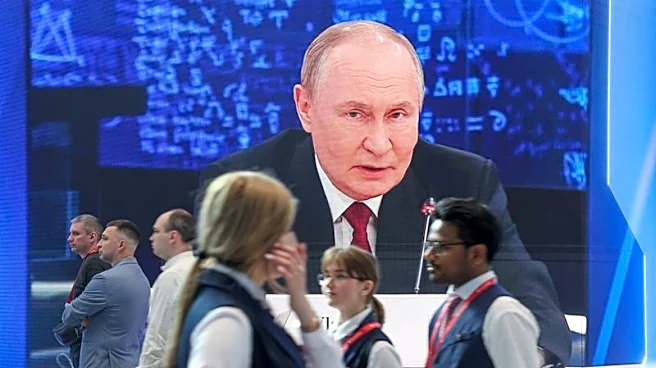
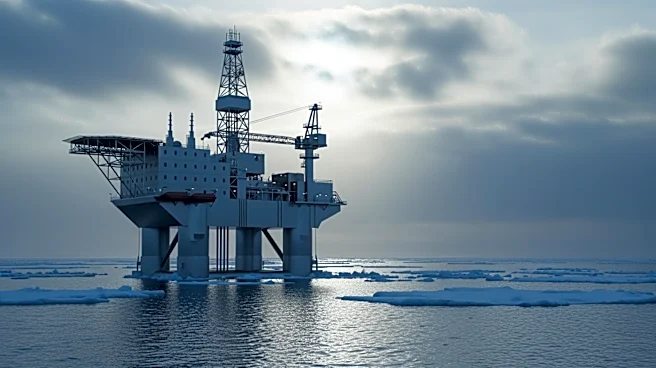
TotalEnergies has been granted approval by the Kremlin to sell its 10 percent stake in the Arctic LNG 2 project to a subsidiary of Novatek, the majority owner. This decision comes after seven years of involvement in the project, which has been hindered
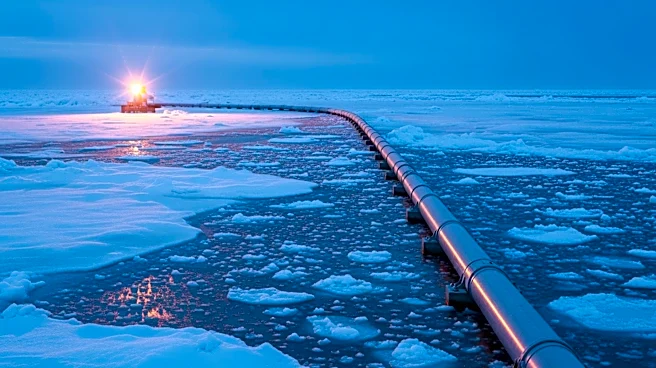
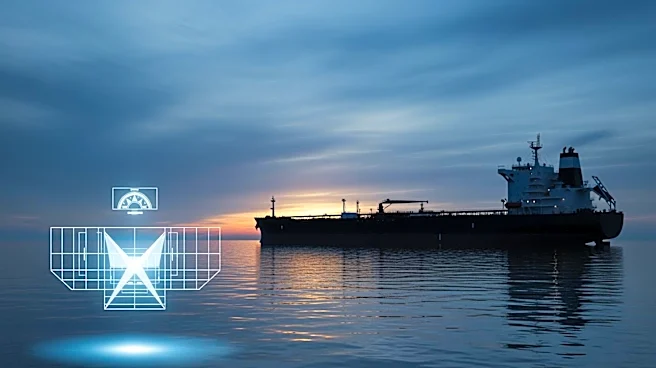
by Western sanctions following Russia's invasion of Ukraine. The Arctic LNG 2 project, led by Novatek, has faced significant challenges, including incomplete infrastructure and the need for specialized icebreaking LNG carriers. These issues have limited the project's ability to reach full production capacity and access the Chinese market year-round. TotalEnergies initially invested in the project in 2019, aligning with its strategy to focus on low-cost resources for Asian markets. Despite the sale, TotalEnergies retains a 19 percent interest in Novatek and a 20 percent stake in the Yamal LNG project.
Why It's Important?
The exit of TotalEnergies from the Arctic LNG 2 project highlights the impact of geopolitical tensions and sanctions on international energy collaborations. The sanctions have not only affected the project's completion but also its operational capacity, reflecting the broader challenges faced by Western companies in Russia. This development underscores the complexities of balancing economic interests with political objectives, particularly in the energy sector. For TotalEnergies, the sale allows a strategic withdrawal from a project fraught with geopolitical risks, while Novatek consolidates its control over the project. The situation also raises questions about the future of European energy security and the potential impact of further EU restrictions on Russian LNG imports.
What's Next?
With TotalEnergies' exit, Novatek's share in the Arctic LNG 2 project increases to 70 percent, potentially strengthening its position in the global LNG market. However, the project's future remains uncertain due to ongoing sanctions and infrastructure challenges. The completion of the necessary icebreaking LNG carriers is crucial for the project's success, as it would enable year-round access to Asian markets. Additionally, the potential implementation of EU restrictions on Russian LNG imports could further complicate the project's viability. Stakeholders will be closely monitoring these developments, as they could have significant implications for global LNG supply and pricing.