






What's Happening?
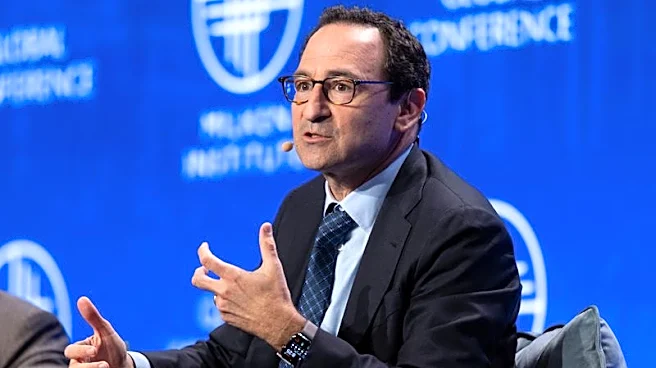
At the annual Milken conference in Los Angeles, private market executives are facing heightened scrutiny over their private equity and credit strategies. This comes after years of significant fundraising driven by wealthy investors. The industry is currently
dealing with redemption pressures, limited liquidity, weaker returns, and concerns about the impact of artificial intelligence on portfolio companies. Executives, including Michael Brandmeyer of Goldman Sachs and David Golub of Golub Capital, acknowledge the challenges but emphasize the continued demand for private credit. The conference, typically a venue for showcasing successes, has turned into a forum for addressing these issues. Michael Milken, the financier behind the conference, suggests that misconceptions about the industry are partly due to comments from major bank executives. Despite the challenges, some industry leaders, like Jenny Johnson of Franklin Templeton, stress the importance of understanding the illiquid nature of private markets.
Why It's Important?
The scrutiny of private credit strategies at the Milken conference highlights the broader challenges facing the private markets sector. As investors seek higher returns, the pressure on private credit managers to deliver becomes more intense. The industry's ability to navigate these challenges will have significant implications for financial markets, particularly as investors reassess their portfolios in light of public market performance. The outcome of this scrutiny could influence investment strategies and the allocation of capital in the private markets. Additionally, the discussion around liquidity and the alignment of product structures with investor expectations could lead to changes in how private credit products are marketed and managed.
What's Next?
As the private credit industry faces increased scrutiny, executives are likely to focus on demonstrating the value and performance of their strategies to reassure investors. This may involve greater transparency and communication about the risks and benefits of private credit investments. The industry could also see a shift in how products are structured to better align with investor expectations for liquidity. Additionally, the impact of artificial intelligence on portfolio companies will continue to be a topic of interest, potentially leading to new strategies for managing these investments. The ongoing dialogue at industry conferences like Milken will play a crucial role in shaping the future of private credit.