





What's Happening?
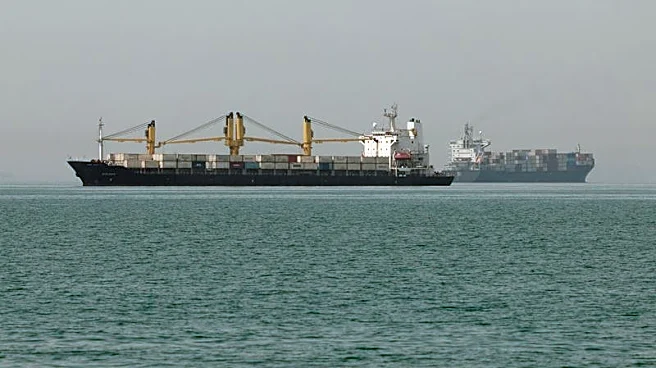
The Iran war has driven U.S. inflation to a three-year high, with the Personal Consumption Expenditures price index rising to 3.8% in April. The conflict has caused significant disruptions in global oil markets, leading to higher energy prices. Consumer
spending increased by 0.5% in April, but when adjusted for inflation, the rise was only 0.1%. The economic strain is evident as Americans deplete their savings at the fastest rate since 2022. The Federal Reserve's preferred inflation gauge indicates persistent inflationary pressures, complicating monetary policy decisions.
Why It's Important?
The inflationary pressures resulting from the Iran conflict pose significant challenges for the U.S. economy. Rising prices are eroding household incomes and could lead to reduced consumer spending, a critical driver of economic activity. The Federal Reserve may face pressure to adjust its interest rate policy to address inflation concerns. The geopolitical tensions continue to influence global energy markets, adding to the complexity of the economic landscape. The inflationary environment could also impact political dynamics, with potential implications for upcoming elections and policy decisions.
What's Next?
The Federal Reserve's response to the inflationary pressures will be closely monitored by economic stakeholders. Potential interest rate adjustments could have wide-ranging effects on the economy, influencing borrowing costs and investment decisions. The geopolitical situation, especially the Iran conflict, will remain a critical factor in economic forecasts and policy considerations. Businesses and consumers may need to adapt their strategies to navigate the evolving economic landscape.