







What's Happening?
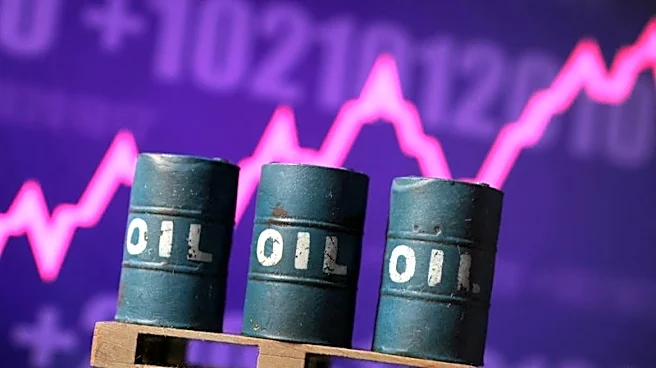
Oil prices have surged to near wartime highs, with Brent crude reaching $126 per barrel, raising concerns about the potential impact on the U.S. economy and stock market. Despite this, the stock market continues to hit record highs, driven by strong earnings
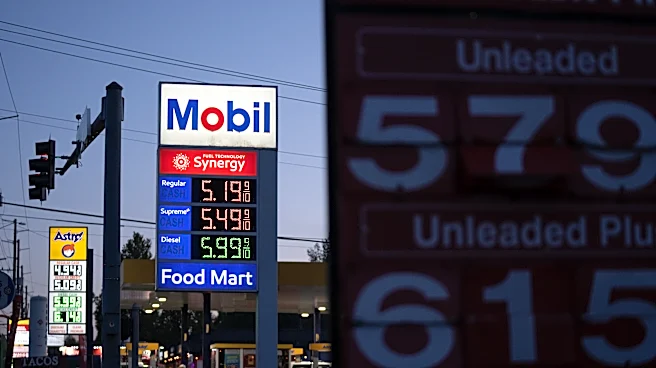
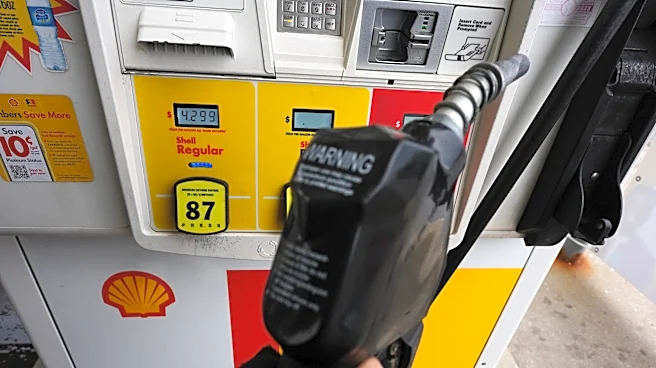
from technology companies and investor optimism. Energy consultant Bob McNally warns of a prolonged period of elevated oil prices due to a global shortage, which could force countries to draw down reserves and increase demand. The rising oil prices are also affecting American consumers, with gas prices reaching $4.30 per gallon, a 44% increase since the start of the U.S.-Iran conflict.
Why It's Important?
The surge in oil prices poses a significant risk to the U.S. economy, potentially impacting consumer spending and inflation. The increased cost of oil could lead to higher transportation and production costs, affecting various industries. Additionally, the rising gas prices could have political implications, particularly in states that are crucial for upcoming elections. The stock market's continued rise amidst these challenges suggests a disconnect that could lead to increased volatility if investor sentiment shifts.
What's Next?
The ongoing U.S.-Iran conflict and its impact on oil supply will be closely monitored by investors and policymakers. The potential for further increases in oil prices could lead to economic adjustments and policy responses aimed at stabilizing markets. Additionally, the political implications of rising gas prices may influence government actions and electoral outcomes.