
What's Happening?
Red Bull Racing has confirmed that Max Verstappen will continue with the team for the 2026 Formula 1 season, alongside new teammate Isack Hadjar. This change comes as part of a broader reshuffle in the Formula 1 grid, which includes the introduction of an 11th
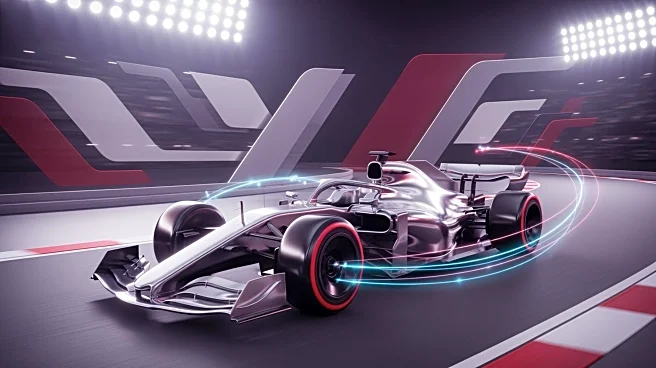
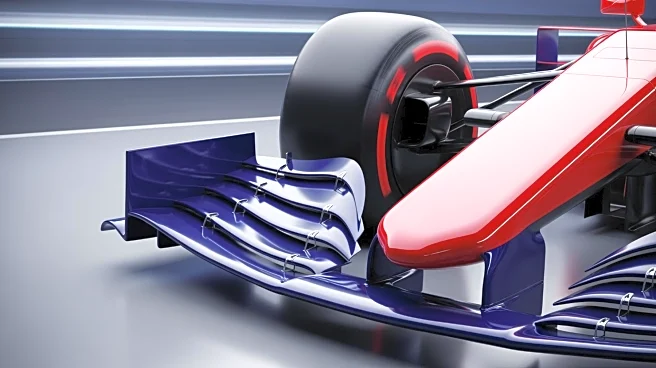
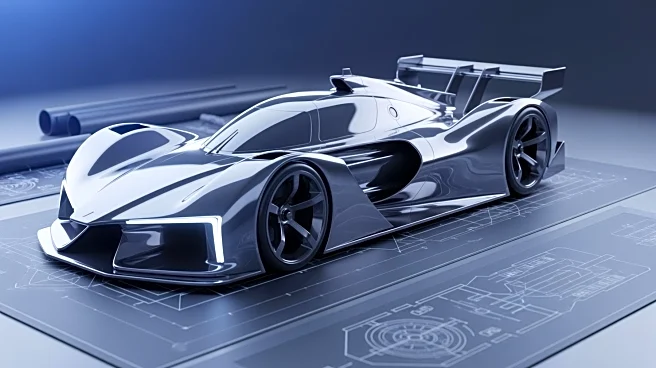
team, Cadillac, and significant technical regulation changes. The 2026 season marks a new era for Formula 1, with adjustments in car size, weight, and aerodynamics aimed at improving race dynamics. Red Bull's decision to pair Verstappen with Hadjar, while moving Yuki Tsunoda to a reserve role, reflects strategic adjustments in response to these changes. The team will continue its Ford-supported program, which is a key component of its competitive strategy.
Why It's Important?
The changes in Red Bull Racing's lineup and the broader Formula 1 grid have significant implications for the sport's competitive landscape. Retaining Verstappen, a proven champion, ensures stability and experience for Red Bull, while the introduction of Hadjar could bring fresh dynamics to the team. The expansion to 11 teams and the introduction of new technical regulations are expected to increase competition and unpredictability in races. These developments could impact betting markets, as historical performance becomes less reliable for predictions. The shift towards more sustainable power units and changes in race mechanics may also influence team strategies and the overall appeal of the sport to fans and stakeholders.
What's Next?
As the 2026 season unfolds, teams will need to adapt to the new technical regulations and the expanded grid. Red Bull Racing will focus on integrating Hadjar into the team and optimizing their Ford-supported power unit. The changes in car design and race mechanics will require teams to reassess their strategies, particularly in terms of energy management and overtaking. The introduction of new circuits and the adjustment of race formats, such as the inclusion of more Sprint weekends, will also present new challenges and opportunities. Teams and drivers will need to quickly adapt to these changes to maintain competitiveness.