


What's Happening?
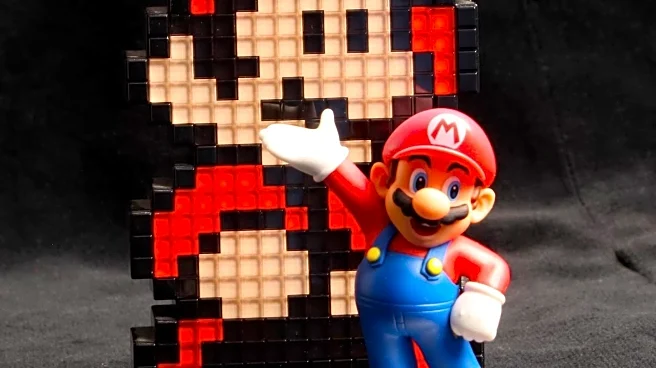
The video game merchandise market is seeing a surge in popularity, driven by nostalgic and iconic franchises. Stores like SEGA's Sonic shop, the Square Enix Store, and the Bethesda Gear store are offering a wide range of products that allow fans to bring their favorite gaming worlds into their everyday lives. These products include apparel, accessories, and decor themed around popular games such as Sonic The Hedgehog, Fallout, The Elder Scrolls, and more. The merchandise is designed to appeal to fans who want to integrate elements of their favorite games into their personal spaces, such as game rooms, offices, or streaming backgrounds. This trend is not limited to a single franchise, as other popular series like Star Wars, Harry Potter, and Teenage
Mutant Ninja Turtles also offer themed merchandise that caters to both modern and classic fans.
Why It's Important?
The expansion of video game merchandise reflects a growing trend of personalization and fandom in consumer culture. By offering products that allow fans to express their love for specific games, these stores are tapping into a lucrative market that values both nostalgia and modern aesthetics. This trend has significant implications for the gaming industry, as it not only enhances brand loyalty but also creates additional revenue streams beyond game sales. For consumers, it provides an opportunity to showcase their interests and identities through tangible items. The popularity of such merchandise also highlights the cultural impact of video games, as they continue to influence various aspects of lifestyle and consumer behavior.
What's Next?
As the demand for video game merchandise continues to grow, it is likely that more franchises will expand their offerings to include a wider variety of products. This could include collaborations with fashion brands, limited edition releases, and exclusive items that cater to collectors. Additionally, the integration of technology, such as augmented reality features, could enhance the appeal of these products. Retailers may also explore new distribution channels, such as online platforms and pop-up stores, to reach a broader audience. The ongoing evolution of this market will likely see further innovation in product design and marketing strategies to capture the attention of diverse consumer segments.