





What's Happening?
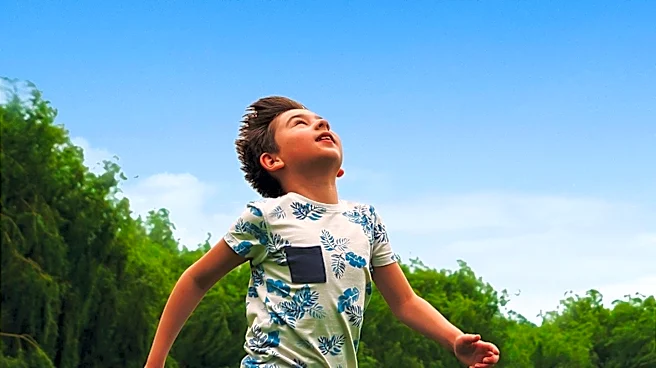
Experts are emphasizing the importance of regular physical activity for children as a means to alleviate stress and improve emotional regulation. According to Prof. Ran Yanovich, head of the Department of Physical Education and Movement at Seminar Hakibbutzim
College, children today are experiencing increased stress and emotional overload, which affects their ability to manage emotions and reactions. Physical activity is highlighted as a crucial tool for emotional regulation, helping to release tension and improve self-control. The World Health Organization supports this view, noting that regular physical activity contributes to both physical and mental health in children. Yanovich advises that physical activity should be a consistent part of children's routines, rather than a response to emotional crises. He suggests that activities should be enjoyable and not competitive, allowing children to experience the benefits of movement without added pressure.
Why It's Important?
The emphasis on physical activity for stress relief in children is important as it addresses a growing concern about the mental health and well-being of young people. With increasing screen time and sedentary lifestyles, children are facing challenges in managing stress and emotions. Regular physical activity offers a proactive approach to improving mental health, reducing anxiety, and enhancing emotional resilience. By integrating movement into daily routines, children can develop better coping mechanisms for stress and frustration. This approach not only benefits individual children but also has broader implications for public health, as it promotes healthier lifestyles and reduces the risk of mental health issues. Encouraging physical activity in children can lead to long-term benefits, including improved academic performance, social skills, and overall well-being.