





What's Happening?
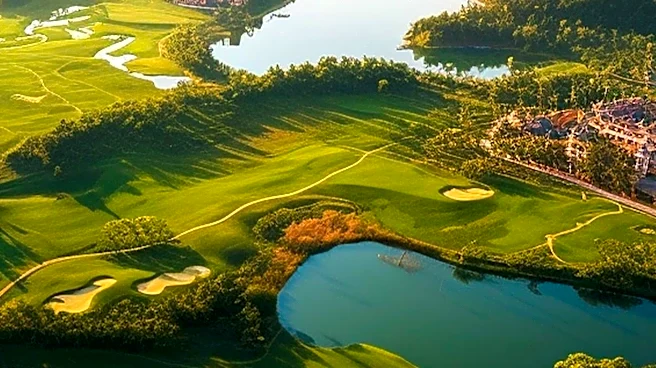
The luxury golf club lifestyle has become a significant status symbol in the real estate market. According to the National Golf Foundation, there were approximately 3,200 golf facilities with a real estate component in the U.S. by 2024. The COVID-19 pandemic
accelerated the popularity of these communities, offering outdoor activities and social distancing opportunities. Exclusive golf communities provide not only multiple golf courses but also amenities like tennis, pickleball, and dining options. Homes in these communities command a premium, with buyers paying up to 35% more for properties adjacent to champion-level courses. Membership in these clubs involves substantial initiation fees and annual dues, reflecting the exclusivity and appeal of the lifestyle.
Why It's Important?
The rise of luxury golf club communities highlights a shift in real estate preferences among affluent buyers. These communities offer a blend of leisure, exclusivity, and social networking, appealing to those seeking a comprehensive lifestyle package. The premium prices associated with these properties indicate strong demand and a willingness to invest in lifestyle-oriented real estate. This trend could influence real estate development strategies, with more emphasis on creating communities that offer a range of amenities and social opportunities. For the real estate market, this signifies a potential growth area, particularly in regions with favorable climates and existing golf infrastructure.
Beyond the Headlines
The appeal of golf club communities extends beyond the sport itself, encompassing a broader lifestyle that includes social and cultural activities. This trend reflects a growing desire for community and connection, particularly among retirees and high-net-worth individuals. The exclusivity of these communities, with their rigorous membership processes and high costs, underscores a cultural shift towards curated living environments. As these communities continue to grow in popularity, they may also face challenges related to sustainability and environmental impact, given the resources required to maintain golf courses and associated amenities.