


What's Happening?
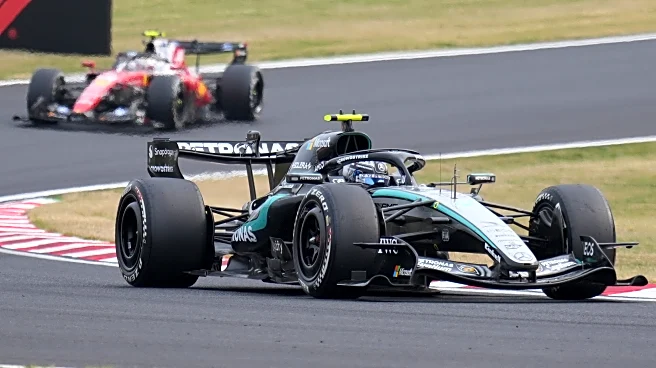
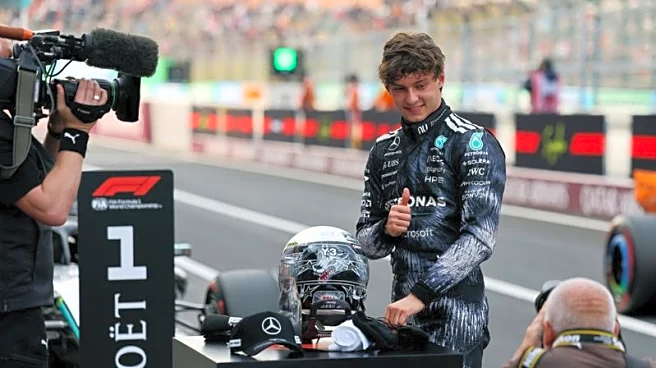
Carlos Sainz, a prominent Formula 1 driver, has criticized the FIA, the sport's governing body, for ignoring warnings from drivers about potential safety risks. This criticism follows a crash involving Oliver Bearman at the Japanese Grand Prix, where
Bearman lost control of his car at high speed and crashed into barriers. Although Bearman escaped without serious injury, the incident has raised concerns about the safety of F1's new hybrid engines, which create significant speed differences between cars. Sainz and other drivers have been vocal about the dangers posed by these speed differences, particularly during races. Despite these concerns, the FIA has only made changes to battery deployment levels for qualifying sessions, not for the races themselves.
Why It's Important?
The incident highlights ongoing safety concerns in Formula 1, particularly with the introduction of new hybrid engines that increase speed differentials between cars. These concerns are significant as they affect the safety of drivers and the integrity of the sport. The FIA's decision to prioritize the excitement of racing over safety has been criticized by drivers, who argue that the current regulations could lead to more dangerous crashes. The situation underscores the tension between maintaining the sport's entertainment value and ensuring driver safety, a balance that is crucial for the sport's future.
What's Next?
With a break in the racing calendar until the Miami Grand Prix, there is an opportunity for the FIA to reconsider its stance on the current regulations. Drivers, including Sainz, hope that the governing body will implement changes to reduce the risk of high-speed crashes. The upcoming races in locations with less forgiving tracks, such as Baku and Singapore, add urgency to these safety concerns. The FIA's response to these calls for change will be closely watched by drivers and fans alike, as it could significantly impact the sport's safety standards and competitive dynamics.