

What's Happening?
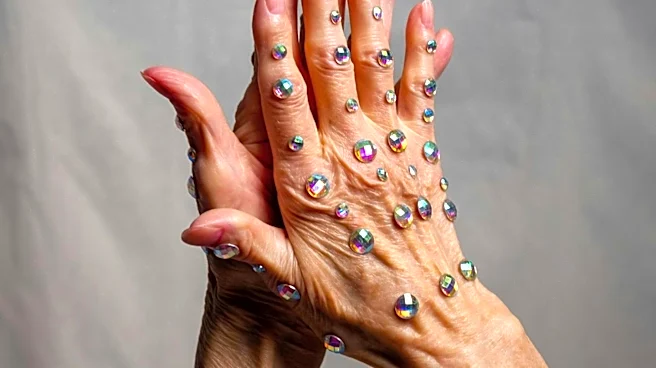
A recent study conducted by researchers at University College London (UCL) has found that engaging in arts and cultural activities can slow the biological aging process. The study surveyed over 3,500 adults in the UK, examining their participation in activities such
as singing, dancing, painting, and visiting museums. Researchers used epigenetic clocks to measure biological age, which reflects cellular and tissue wear and tear rather than chronological age. The findings suggest that regular participation in these activities is associated with a slower rate of aging, comparable to the benefits of regular exercise. The study highlights the potential health benefits of arts engagement, including reduced stress, lower inflammation, and improved cardiovascular health.
Why It's Important?
The study's findings underscore the potential of arts and cultural engagement as a public health strategy. By demonstrating that these activities can slow biological aging, the research suggests a non-traditional approach to health promotion that could complement existing exercise and wellness programs. This could have significant implications for public health policy, encouraging the integration of arts programs into health initiatives. The potential benefits extend beyond physical health, as arts engagement also offers cognitive, emotional, and social stimulation. This holistic approach could improve overall well-being, particularly for adults over 40, who showed the strongest anti-aging effects in the study.
What's Next?
The researchers hope to further explore which specific lifestyle habits can slow or reverse epigenetic aging. Future studies may focus on identifying the 'ingredients' in arts activities that contribute to health benefits, such as physical, cognitive, emotional, or social stimulation. There is also potential for public health initiatives to incorporate arts and cultural programs more broadly, leveraging these findings to promote healthier aging populations. As the study suggests, varying activities may enhance benefits, indicating a need for diverse program offerings.
Beyond the Headlines
The study raises questions about the broader role of arts in society and its potential to contribute to public health. It challenges traditional views of health promotion, suggesting that cultural engagement can be as impactful as physical exercise. This could lead to a cultural shift in how health and wellness are perceived, valuing creative and cultural pursuits as integral to a healthy lifestyle. Additionally, the study may inspire further research into the biological mechanisms behind the health benefits of arts engagement, potentially leading to new insights into aging and disease prevention.