

What's Happening?
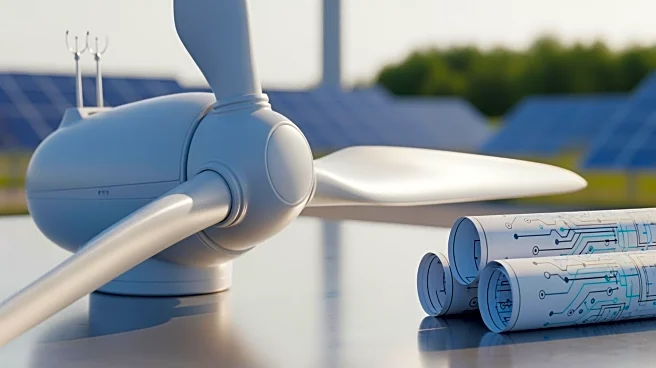
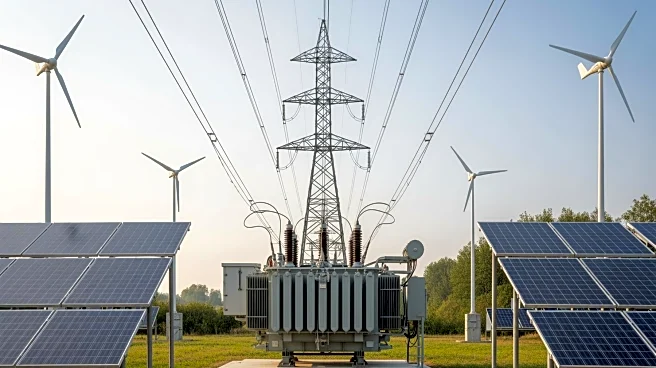
Distributed energy resources (DERs) are playing an increasingly important role in enhancing the resilience and reliability of the power grid. These resources, which include small-scale installations like wind turbines and solar panels, provide backup power during outages and reduce transmission losses. DERs also offer cost savings for consumers by lowering energy bills and providing opportunities to sell excess power back to the grid. The integration of DERs is supported by advancements in technology, such as artificial intelligence, which optimizes grid operations and facilitates the creation of virtual power plants.
Why It's Important?
The adoption of DERs is crucial for addressing the challenges of grid reliability and energy efficiency. As the demand for electricity
continues to grow, DERs provide a flexible and sustainable solution for meeting energy needs. They also support the transition to renewable energy sources, reducing reliance on fossil fuels and contributing to environmental sustainability. The deployment of DERs can lead to significant cost savings for utilities and consumers, while also enhancing grid resilience against disruptions. The success of DERs could influence energy policies and investment decisions in the power sector.
What's Next?
The continued integration of DERs into the power grid will require ongoing investment in technology and infrastructure. Utilities and policymakers will need to address regulatory and market challenges to fully realize the potential of DERs. The development of microgrids and energy storage solutions will be key to supporting the widespread adoption of DERs. As the energy landscape evolves, stakeholders will need to collaborate to ensure that DERs are effectively integrated into the grid, providing reliable and sustainable energy solutions for the future.