






What's Happening?
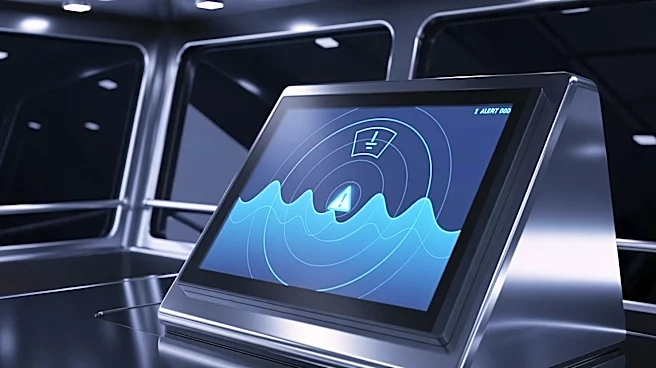
Zelim has announced that its ZOE man-overboard detection system has received ISO 21195:2020 certification from Lloyd’s Register. This certification follows successful sea trials on the Ambition vessel, managed by Ambassador Cruise Line, marking the first
time such testing has been completed on a cruise ship. During a 90-day trial period, the ZOE system achieved a 97% detection rate in simulated man-overboard scenarios, surpassing the ISO's minimum requirements. The ISO 21195 standard is a globally recognized benchmark developed in collaboration with the cruise industry, the US Coast Guard, and technology providers. ZOE's certification makes it the first system capable of detecting both adults and children, although child detection is not a requirement of the ISO assessment.
Why It's Important?
The certification of Zelim's ZOE system is significant for the cruise industry and the broader maritime sector as it provides a certified solution to meet the requirements of The Cruise Vessel Security and Safety Act of 2010 (CVSSA). This act mandates the implementation of technology to detect man-overboard incidents, enhancing passenger safety. The ZOE system's ability to detect both adults and children offers a comprehensive safety solution, potentially reducing the risk of undetected overboard incidents. This advancement in safety technology could lead to increased confidence among passengers and crew, potentially influencing industry standards and regulations.
What's Next?
With the certification in place, Zelim's ZOE system is poised for broader adoption across the maritime industry. Cruise lines and other passenger vessel operators may consider integrating this technology to comply with safety regulations and enhance onboard safety measures. The successful implementation of ZOE could prompt further innovations in maritime safety technology, encouraging other companies to develop similar systems. Additionally, regulatory bodies might update safety requirements to include advanced detection capabilities, further driving the adoption of certified systems like ZOE.
Beyond the Headlines
The certification of the ZOE system highlights the growing role of artificial intelligence and advanced analytics in enhancing safety across various industries. The use of a proprietary maritime dataset and computer vision technology in ZOE demonstrates the potential for AI to address complex safety challenges. This development may inspire further research and investment in AI-driven safety solutions, not only in maritime contexts but also in other sectors where safety is paramount. The success of ZOE could also lead to discussions about the ethical implications of AI in safety-critical applications, balancing technological advancement with privacy and data security concerns.