
What's Happening?
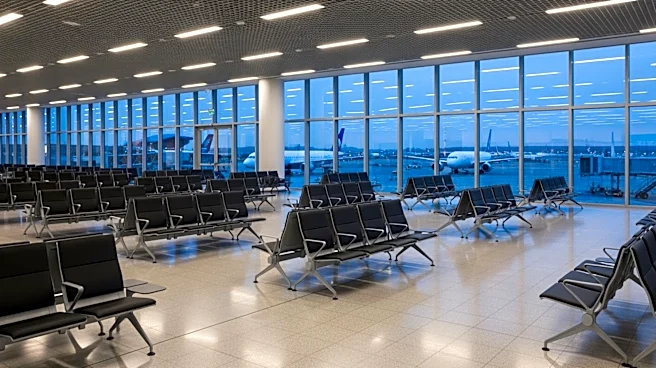
Spirit Airlines, known for its budget-friendly fares and controversial service fees, has abruptly ceased all operations, leaving tens of thousands of passengers stranded at airports across the United States.
The airline, often criticized for its hidden charges and minimal customer service, announced the shutdown with no prior warning, citing financial struggles exacerbated by rising fuel costs and failed mergers. The sudden closure follows two bankruptcies within a year and the collapse of a potential bailout from the Trump administration. Spirit's business model, which relied on offering low base fares with numerous additional fees, had made it a popular choice among budget-conscious travelers, particularly in smaller cities with limited flight options.
Why It's Important?
The closure of Spirit Airlines marks a significant shift in the U.S. airline industry, particularly affecting budget travelers who relied on its low-cost flights. Spirit's presence in the market had driven down airfares across the board, a phenomenon known as the 'Spirit Effect,' which forced competitors to lower their prices. With Spirit's exit, there is concern that airfares will rise, reducing accessibility for cost-sensitive passengers. The airline's shutdown also highlights the vulnerability of budget carriers to economic pressures, such as fluctuating fuel prices and competitive market dynamics. The loss of Spirit may lead to reduced competition, potentially increasing travel costs and limiting options for consumers.
What's Next?
In the wake of Spirit Airlines' closure, other budget carriers like JetBlue and Frontier may face increased pressure to fill the void left by Spirit. However, these airlines are also experiencing financial challenges, raising questions about their ability to maintain low-cost services. The airline industry may see a restructuring as companies adjust to the absence of Spirit, potentially leading to higher fares and fewer budget options. Passengers affected by the shutdown will need to seek alternative travel arrangements, likely at higher costs. The industry will be closely watched to see how it adapts to the loss of a major player in the budget travel sector.
Beyond the Headlines
Spirit Airlines' closure underscores the broader challenges facing the airline industry, particularly the sustainability of ultra-low-cost carriers. The reliance on additional fees to maintain profitability has been a contentious issue, drawing criticism from consumers and regulators alike. The situation raises questions about the balance between affordability and service quality in the airline industry. Additionally, the shutdown may prompt regulatory scrutiny and discussions about consumer protection in the event of sudden airline closures. The long-term impact on travel accessibility and industry competition will be significant areas of focus moving forward.