






What's Happening?
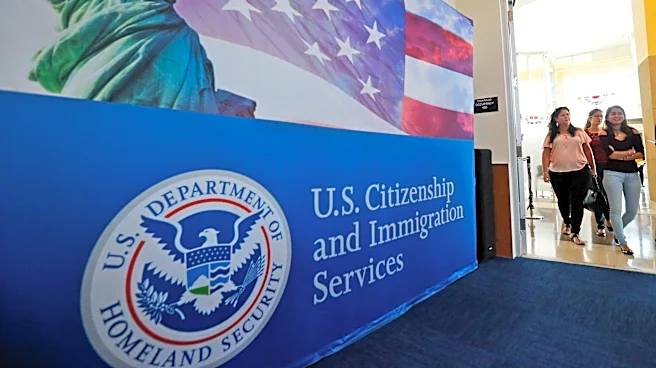
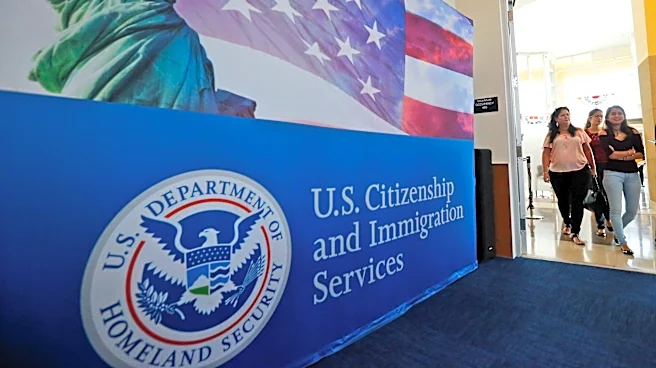
A federal judge has struck down the $100,000 fee for H-1B visa applications that was imposed by the Trump administration. The fee, which was introduced as a measure to protect American workers by discouraging the hiring of foreign workers, was deemed
unlawful as it was implemented without congressional approval. The H-1B visa program allows U.S. employers to hire foreign workers in specialized fields, particularly in technology. The decision to block the fee was welcomed by many tech companies and universities that rely on the program to fill skilled positions. Critics of the fee argued that it would hinder the ability of businesses and educational institutions to recruit necessary talent from abroad.
Why It's Important?
The ruling has significant implications for U.S. industries that depend on foreign talent, particularly in the tech sector. By removing the financial barrier imposed by the fee, companies and universities can continue to access a global pool of skilled workers, which is crucial for maintaining competitiveness and innovation. The decision also underscores the importance of adhering to legislative processes in policy implementation, as the fee was invalidated due to the lack of congressional approval. This outcome may influence future immigration policy decisions and the balance between protecting domestic jobs and fostering international talent acquisition.
What's Next?
Following the court's decision, it is expected that businesses and educational institutions will resume their efforts to hire foreign workers under the H-1B program without the burden of the increased fee. The ruling may also prompt further legal and political discussions regarding immigration policies and the authority of the executive branch in setting such fees. Stakeholders, including tech companies and universities, are likely to advocate for policies that support the recruitment of international talent while addressing concerns about domestic job displacement.