





What's Happening?
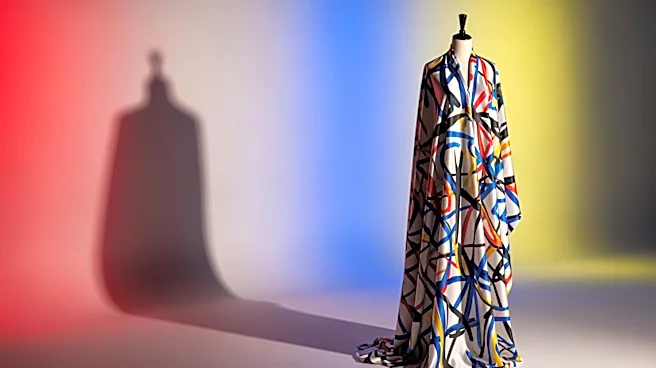
Louis Vuitton's Resort 2027 collection, designed by Nicolas Ghesquière, is inspired by a unique suitcase graffitied by American Pop artist Keith Haring in 1984. This suitcase, a logoless, worn brown leather valise, was customized by Haring, who was known
for his graffiti-inspired art. The suitcase was sold at Bonham's for approximately $35,000 in 2020 and is now part of Louis Vuitton's archive. Ghesquière received special permission to use the suitcase, aligning with the Keith Haring Foundation's mission to share art widely and support philanthropic causes, including HIV/AIDS and youth services. The collection was presented at the Frick, a venue that reflects the uptown-downtown dichotomy of New York City, a theme Ghesquière explored in his designs.
Why It's Important?
The integration of Keith Haring's art into Louis Vuitton's collection highlights the enduring influence of 1980s street art on contemporary fashion. This collaboration not only honors Haring's legacy but also underscores the fashion industry's ongoing fascination with exclusivity and vintage aesthetics. By incorporating Haring's work, Louis Vuitton connects with a broader audience, appealing to both art enthusiasts and fashion consumers. The collection also emphasizes the importance of art in public spaces, a principle Haring championed, and supports the philanthropic goals of the Keith Haring Foundation, which continues to impact communities through its charitable initiatives.
What's Next?
Following the collection's debut, Louis Vuitton may continue to explore collaborations that blend art and fashion, potentially leading to further partnerships with artists or foundations. The success of this collection could inspire other luxury brands to incorporate historical art influences into their designs, fostering a trend of art-inspired fashion. Additionally, the Keith Haring Foundation may see increased interest and support, furthering its mission to promote art accessibility and support charitable causes.
Beyond the Headlines
The collaboration between Louis Vuitton and the Keith Haring Foundation raises questions about the commercialization of art and its impact on the artist's original intent. While the collection celebrates Haring's work, it also highlights the tension between art as a public good and its commodification in the luxury market. This development may prompt discussions about the role of fashion in preserving and promoting cultural heritage, as well as the ethical considerations of using art for commercial purposes.