







What's Happening?
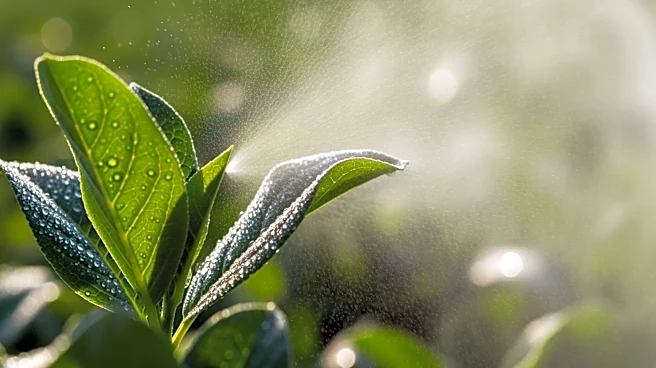
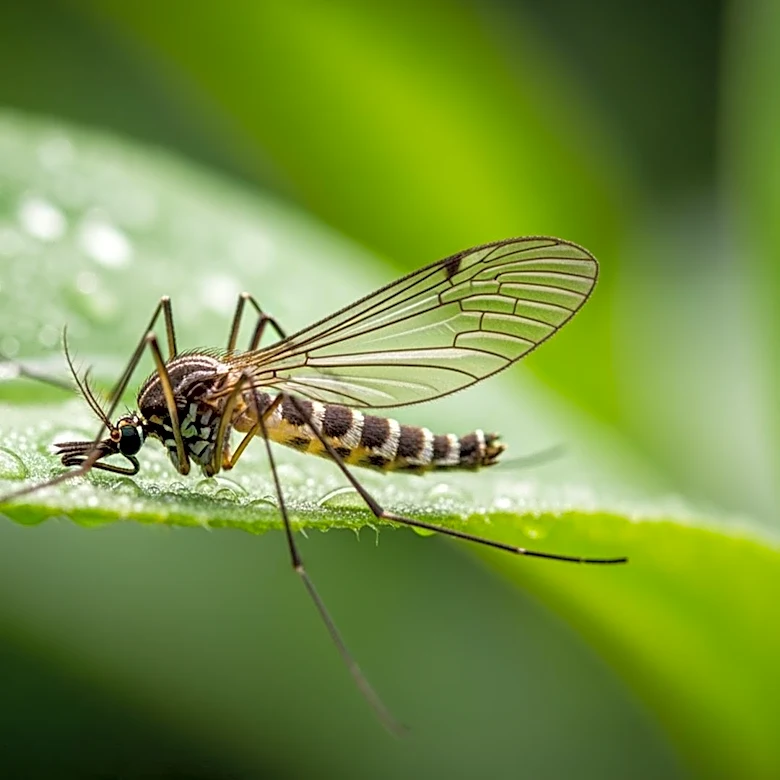
Aphids, small insects that can cause significant damage to crops, are a persistent problem in U.S. agriculture. These pests are capable of weakening plants, spreading diseases, and reducing yields rapidly. They are prevalent across various regions, including
the Midwest, Great Plains, and California's Central Valley. To combat this issue, farmers rely on pesticides as a primary method of control. Synthetic insecticides are particularly effective, although natural solutions are also available. The management of aphids involves an integrated approach that includes monitoring, cultural practices, and biological control, alongside the use of pesticides.
Why It's Important?
The effective management of aphid populations is crucial for maintaining agricultural productivity and preventing economic losses. Aphids not only damage crops directly but also act as vectors for plant viruses, posing a significant threat to food security. The reliance on pesticides underscores the importance of developing sustainable pest management strategies that minimize environmental impact while ensuring crop protection. This issue also highlights the need for ongoing research into alternative pest control methods and the development of resistant crop varieties. The agricultural sector's ability to adapt to pest challenges is vital for the stability of food supply chains and the overall economy.