




What's Happening?
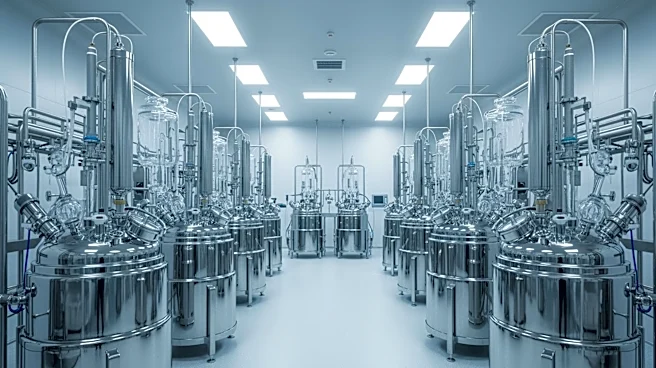
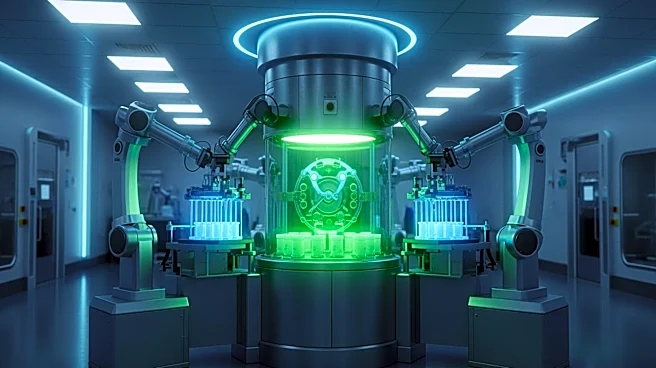
Cellares has announced that the first two patients have been dosed with Cabaletta Bio’s investigational CAR T cell therapy, known as rese-cel (resecabtagene autoleucel), which was manufactured using Cellares’ Cell Shuttle™ instrument. This development
is significant as it represents a step towards scalable manufacturing of autologous cell therapies, which are typically costly and difficult to produce at scale. The therapy, designed to treat autoimmune diseases, was administered as a single, weight-based infusion aimed at depleting CD19-positive cells to reset the immune system. This milestone is the result of a three-year collaboration between Cabaletta and Cellares, focusing on creating a high-capacity, flexible supply chain with minimal capital investment.
Why It's Important?
The administration of rese-cel using an automated platform is a transformative moment for the field of autologous cell therapy. Traditionally, the high costs and manufacturing challenges have limited patient access to these potentially life-saving treatments. By automating the production process, Cellares aims to reduce costs and increase scalability, potentially making these therapies more accessible to a larger patient population. This could have significant implications for the treatment of autoimmune diseases, offering a new approach that could lead to durable clinical responses without the need for chronic therapy. The success of this initiative could pave the way for broader adoption of automated manufacturing in the biopharmaceutical industry.
What's Next?
Cabaletta Bio is continuing to evaluate rese-cel in its RESET™ clinical development program, which includes multiple ongoing trials across various autoimmune diseases. The success of these trials could lead to further advancements in the treatment of autoimmune conditions and potentially expand the use of CAR T cell therapies beyond oncology. As the industry observes the outcomes of these trials, there may be increased interest and investment in automated manufacturing technologies, which could further drive innovation and accessibility in the field of cell therapy.