



What's Happening?
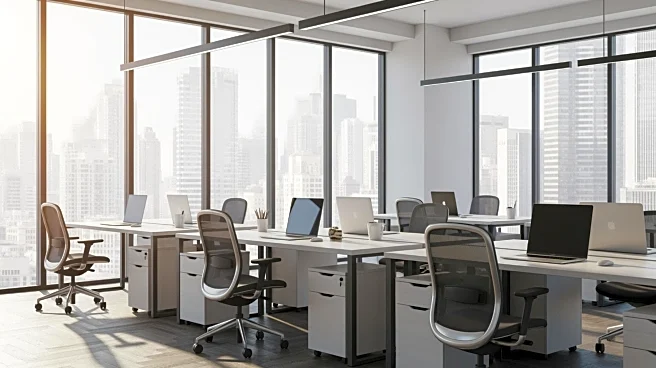
Newark, New Jersey, has been identified as one of the fastest-growing labor markets in the U.S., according to a report by CoworkingCafe. The city ranks 13th in workforce growth, driven by increases in employment, working-age population, migration inflows, and remote work rates. Newark's coworking sector has expanded significantly, reflecting the city's growing demand for flexible workspaces. The report highlights Newark's affordability and proximity to New York City as key factors attracting new professionals and contributing to its workforce expansion.
Why It's Important?
The growth of Newark's workforce and coworking spaces signals a shift in work dynamics, with more professionals seeking flexible work environments. This trend reflects broader changes in the labor
market, where remote work and coworking are becoming increasingly popular. The expansion of coworking spaces supports local economic development by attracting businesses and talent to the area. It also highlights the importance of adaptability in urban planning, as cities must accommodate changing work patterns and preferences to remain competitive.
What's Next?
As Newark continues to experience workforce growth, the demand for coworking spaces is likely to increase. This presents opportunities for further development in the city's business infrastructure, potentially attracting more companies and professionals. The city may also explore policies to support the growth of flexible work environments, ensuring that they meet the needs of a diverse workforce. Additionally, Newark's success could serve as a model for other cities looking to capitalize on similar trends in workforce and coworking expansion.
Beyond the Headlines
The rise of coworking spaces in Newark reflects broader societal shifts towards flexible work arrangements and the gig economy. It challenges traditional notions of office work and highlights the need for cities to adapt to new economic realities. The trend also raises questions about the future of urban development, as cities must balance the demand for flexible workspaces with other infrastructure needs. Long-term, the growth of coworking spaces could contribute to more dynamic and resilient urban economies.