






What's Happening?
Strategists at Stifel have identified a significant inflation signal in the U.S. economy, noting that prices for technology, particularly information processing equipment, are rising faster than wage growth. According to the Bureau of Economic Analysis,
personal consumption expenditures for this sector grew at an 8% annual rate in the first quarter of 2026, compared to a 3.5% increase in average hourly wages in March. This trend, not seen in 65 years, suggests a potential inflationary boom driven by the AI hardware market. The ongoing energy shock, exacerbated by high oil prices and geopolitical tensions with Iran, is further contributing to inflation concerns, with the overall inflation rate reaching 3.3% in March, the highest in two years.
Why It's Important?
The acceleration of tech prices relative to wages indicates a shift in the economic landscape, potentially leading to broader inflationary pressures. This development could impact various sectors, including stock markets, where tech-led inflation might influence investment strategies. The rising costs of AI hardware and energy are likely to affect consumer spending and corporate profitability. As inflationary pressures mount, businesses and consumers may face increased costs, potentially slowing economic growth. The situation underscores the need for careful monitoring by policymakers and investors to mitigate potential negative impacts on the economy.
What's Next?
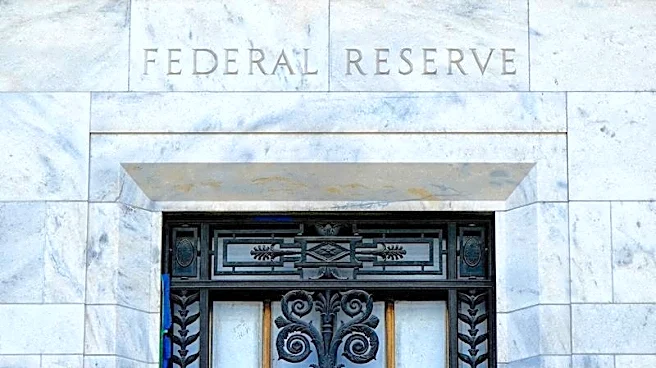
With inflationary pressures building, stakeholders will likely focus on policy responses to manage the economic impact. The Federal Reserve may consider adjusting interest rates to curb inflation, while businesses might reassess pricing strategies and investment plans. The ongoing geopolitical tensions and energy market dynamics will continue to influence inflation trends. Investors and analysts will closely watch economic indicators and corporate earnings reports for signs of how inflation is affecting different sectors. The potential for further inflationary pressures could lead to increased volatility in financial markets.