



What's Happening?
The Federal Reserve is grappling with economic challenges as rising oil prices, linked to the ongoing conflict in Iran, threaten to disrupt inflation control efforts. Inflation held steady at 2.4% in February, close to the Fed's 2% target. However, the surge
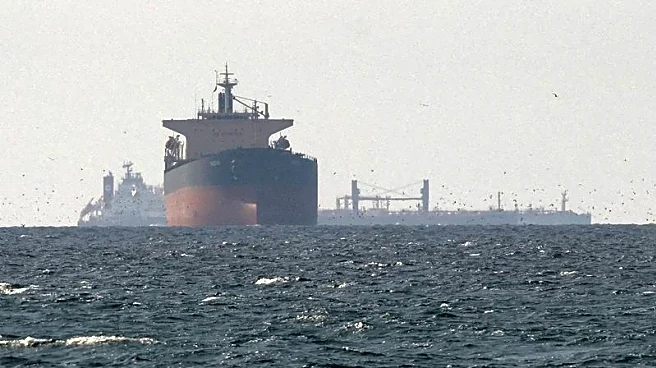
in oil prices, resulting from the effective shutdown of the Strait of Hormuz, poses a risk to this progress. The International Energy Agency has released 400 million barrels of oil to stabilize global supply. Meanwhile, the U.S. labor market is weakening, with a loss of 92,000 jobs reported last month. The Fed's policy-setting committee is set to make its next interest rate decision soon, amid these economic uncertainties.
Why It's Important?
The situation presents a complex challenge for the Federal Reserve, as it must balance inflation control with economic growth. Rising oil prices could lead to higher inflation, complicating the Fed's ability to adjust interest rates. The weakening labor market adds another layer of difficulty, as the Fed typically considers rate cuts to support employment. However, the current oil price shock may delay such actions. Additionally, consumer spending, expected to rise due to new tax rules, has not met expectations, potentially impacting economic growth. The Fed's decisions in this context will significantly affect U.S. consumers and the broader economy.
What's Next?
The Federal Reserve's upcoming interest rate decision will be closely watched, as it navigates the dual challenges of inflation and a weakening labor market. The ongoing conflict in Iran and its impact on oil prices will likely influence the Fed's policy direction. Additionally, the potential for tariff refunds following a Supreme Court ruling adds another layer of uncertainty. The Fed may need to delay interest rate changes until the economic landscape becomes clearer, particularly regarding oil prices and labor market conditions.