


What's Happening?
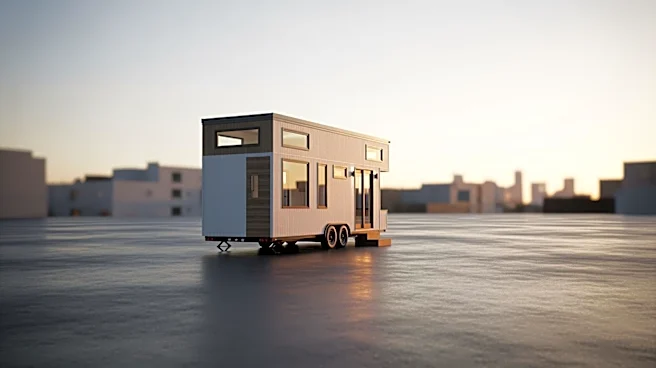
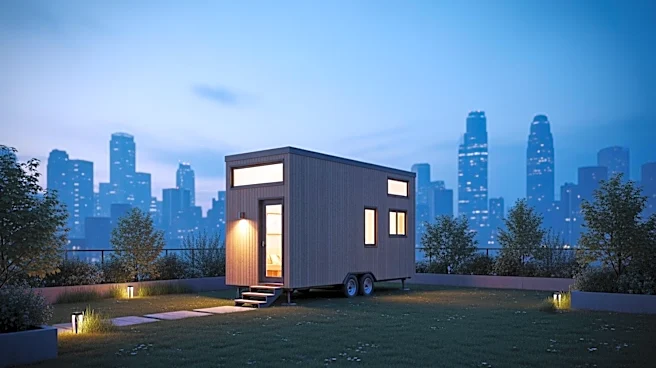
Fenna Wit and Jos van der Meulen have opted for a minimalist lifestyle by living in a self-built tiny home in Eindhoven, Netherlands. This decision allows them to work only three days a week and save over half of their income. The couple built their tiny house
for approximately $87,000 without incurring debt, and their monthly housing expenses are around $800, including insurance, utilities, and land rental. This financial strategy enables them to save about $3,000 monthly from a joint income of $5,500. Their choice reflects a growing trend among individuals seeking financial freedom and reduced stress by minimizing living costs.
Why It's Important?
The decision to live in a tiny home and work fewer days highlights a shift towards prioritizing work-life balance and financial independence. By reducing living expenses, Fenna and Jos can focus on family time and personal interests rather than being tied to full-time employment. This lifestyle choice challenges traditional norms of homeownership and career paths, offering a model for others seeking similar freedom. It underscores the potential for tiny homes to provide affordable housing solutions, especially in areas with high living costs, and may influence housing market trends and urban planning policies.
What's Next?
Fenna and Jos are considering using their savings to build another house for sale, which could further enhance their financial stability. This venture reflects their interest in sustainable living and entrepreneurship. As their children grow, they may reassess their living arrangements, potentially moving to a larger home if it aligns with their lifestyle goals. Their experience may inspire others to explore tiny home living, influencing community development and housing policies that accommodate alternative living arrangements.
Beyond the Headlines
Living in a tiny home presents unique challenges, such as limited space for family gatherings and managing clutter, especially with young children. However, it also offers significant benefits, including reduced environmental impact and a simplified lifestyle. This choice may contribute to broader cultural shifts towards minimalism and sustainability, encouraging individuals to reconsider their consumption habits and housing needs. The couple's story highlights the potential for tiny homes to foster community connections and support diverse living arrangements.