





What's Happening?
The SimRacing Expo held its first-ever event in the United States, marking a significant milestone for the driving simulator industry. The event took place in Charlotte, NC, attracting thousands of car enthusiasts, motorsports fans, and technology aficionados.
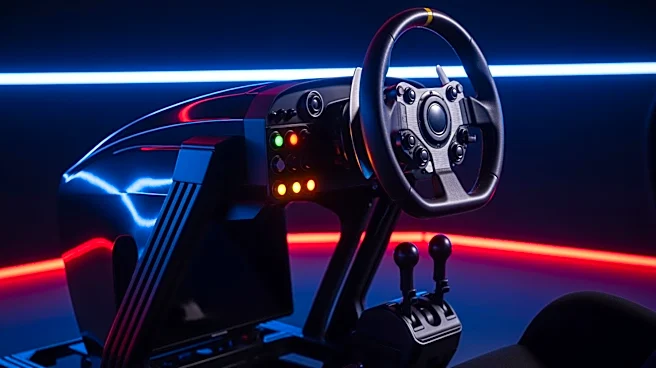
The expo featured a wide array of vendors from both hardware and software sectors, including major names like Fanatec, Thrustmaster, and iRacing. The event showcased the latest advancements in haptic-feedback technology, which enhances the realism of driving simulators. Attendees had the opportunity to experience high-end simulation setups, some costing as much as a luxury car. The expo's success in the U.S. reflects the growing interest in sim racing, a hobby that has expanded from a niche market to a mainstream activity, partly fueled by the increased popularity of Formula 1 and the impact of the global pandemic.
Why It's Important?
The successful launch of the SimRacing Expo in the U.S. underscores the expanding market for driving simulators, which have become more accessible and popular among a broader audience. This growth is significant for the gaming and motorsports industries, as it opens new revenue streams and opportunities for innovation. The increased interest in sim racing is also indicative of a cultural shift, where virtual experiences are gaining traction alongside traditional sports. This trend could lead to further investments in technology and infrastructure to support the burgeoning community of sim racers. Additionally, the involvement of major brands and the integration of advanced technologies like haptic feedback suggest a promising future for the industry, potentially influencing how motorsports are consumed and experienced globally.
What's Next?
Following the success of the SimRacing Expo in the U.S., there is potential for more events and expansions in other regions. Industry leaders may explore partnerships with automotive and technology companies to enhance the realism and accessibility of sim racing. The growing interest in virtual motorsports could also lead to the development of new products and services tailored to this audience. As the industry continues to evolve, stakeholders will likely focus on improving the user experience and expanding the reach of sim racing to new demographics. The trend of integrating sim racing into mainstream entertainment venues, such as F1 Arcades, may also continue, further solidifying its place in popular culture.