

What's Happening?
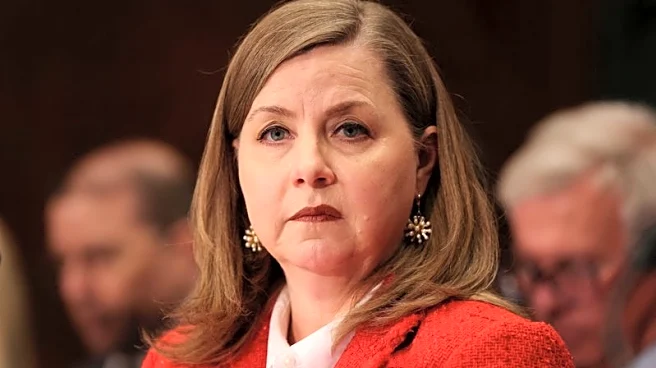
Federal Reserve Governor Chris Waller has expressed a cautious stance on the outlook for interest rates, highlighting several economic concerns. During an appearance on CNBC's 'Squawk Box,' Waller discussed the impact of rising oil prices on the Federal Reserve's
interest rate decisions, as well as ongoing inflation concerns. He also addressed the effects of tariffs and the current state of private credit. Waller's comments come at a time when the Federal Reserve is navigating complex economic conditions, including fluctuating energy prices and persistent inflationary pressures. His remarks underscore the need for careful consideration in monetary policy to balance economic growth with inflation control.
Why It's Important?
Waller's cautious approach to interest rates is significant as it reflects the Federal Reserve's broader strategy in managing economic stability. Rising oil prices and inflation are critical factors that can influence consumer spending and business investment, potentially slowing economic growth. By advocating for caution, Waller signals the Fed's intent to avoid abrupt policy changes that could destabilize markets. This approach is crucial for maintaining investor confidence and ensuring that the economy remains on a sustainable growth path. Stakeholders, including businesses and consumers, are closely watching the Fed's actions, as interest rate decisions directly impact borrowing costs and financial planning.
What's Next?
The Federal Reserve is likely to continue monitoring economic indicators closely, including energy prices and inflation trends, to inform its future interest rate decisions. As the economic landscape evolves, the Fed may adjust its policy stance to address emerging challenges. Market participants and policymakers will be keenly observing any shifts in the Fed's approach, as these could have significant implications for economic activity and financial markets. The ongoing dialogue between Fed officials and economic stakeholders will be critical in shaping expectations and guiding future monetary policy.