








What's Happening?
OPEC's crude oil production has fallen to its lowest level in 36 years due to the ongoing conflict involving Iran, which has severely disrupted exports from the Persian Gulf. According to a Bloomberg survey, OPEC's output decreased by 420,000 barrels
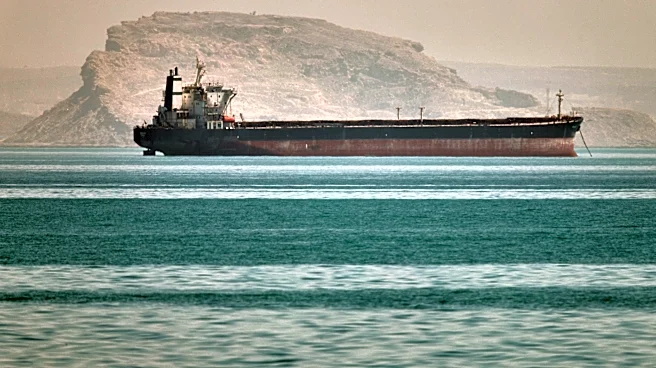
per day in April, reaching 20.55 million barrels per day. The conflict has led to the closure of the Strait of Hormuz, a vital oil transit route, causing significant supply losses. The situation has been further complicated by the United Arab Emirates' decision to leave OPEC, following disagreements with Saudi Arabia over production limits. Despite these challenges, some OPEC members have agreed to a symbolic increase in output quotas for June, although actual production remains constrained.
Why It's Important?
The drastic reduction in OPEC's oil production has far-reaching implications for global energy markets. The supply disruption has driven up prices for jet fuel, diesel, and gasoline, contributing to inflationary pressures and raising the risk of a global recession. The situation underscores the vulnerability of global oil supply chains to geopolitical conflicts and highlights the importance of diversifying energy sources. The departure of the UAE from OPEC could also signal shifts in the organization's dynamics and influence, potentially affecting future oil production and pricing strategies.
What's Next?
The international community is closely monitoring the situation, with diplomatic efforts underway to resolve the conflict and reopen the Strait of Hormuz. However, the path to normalization is uncertain, as geopolitical tensions remain high. OPEC and its allies may continue to adjust production strategies in response to market conditions, while countries affected by the supply disruption may seek alternative energy sources or increase domestic production to mitigate the impact.