






What's Happening?
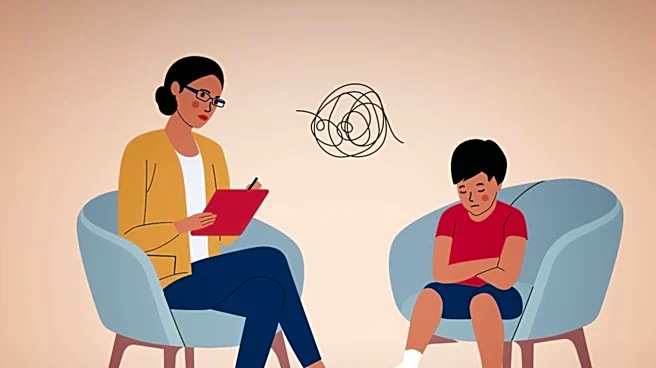
A recent study emphasizes the importance of engaging in hobbies as a means to alleviate stress. According to Danielle Roeske, PsyD, the vice president of residential services at Newport Healthcare, hobbies provide a necessary break for the nervous system,
helping individuals escape the constant cycle of problem-solving and worry. The study, published in The Lancet Psychiatry, identifies over 600 ways leisure activities can benefit health, particularly in managing anxiety and stress. Lorenzo Norris, MD, an associate professor of psychiatry at George Washington University, notes that hobbies offer a sense of focus, enjoyment, and accomplishment, which can be separate from daily responsibilities. This research suggests that incorporating hobbies into daily routines can provide a sense of control and relaxation amidst hectic schedules.
Why It's Important?
The findings of this study are significant as they offer a practical solution to the pervasive issue of stress in modern life. With many individuals facing the pressures of work, family, and social media, stress management is crucial for maintaining mental health. By highlighting the benefits of hobbies, the study provides a simple yet effective strategy for reducing stress, which can lead to improved overall well-being. This approach can be particularly beneficial for those who struggle with anxiety, offering them a constructive outlet to manage their symptoms. The emphasis on hobbies also underscores the importance of leisure and personal time in a balanced lifestyle, which can lead to healthier, more productive individuals.
What's Next?
As awareness of the benefits of hobbies grows, it is likely that more individuals will seek to incorporate leisure activities into their daily routines. This could lead to increased demand for hobby-related resources and services, such as classes, workshops, and community groups. Mental health professionals may also begin to recommend hobbies as part of treatment plans for stress and anxiety, further integrating this approach into mainstream health practices. Additionally, workplaces might consider promoting hobby-related activities as part of employee wellness programs, recognizing the potential for improved productivity and job satisfaction.