






What's Happening?
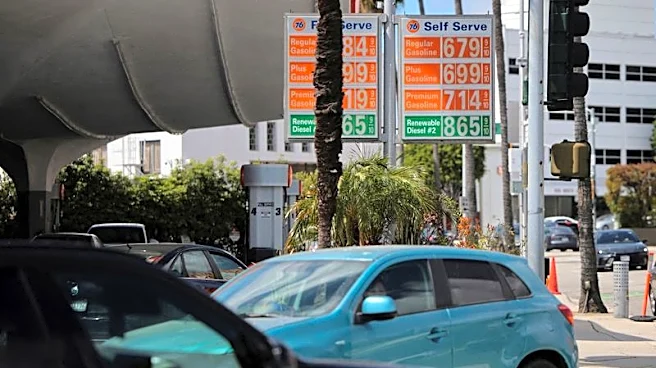
Diesel prices have surged to $5 per gallon, marking the highest level since December 2022, largely due to instability in the Middle East. This increase poses significant challenges for moving companies, which operate on tight margins. Although a temporary
ceasefire in Iran has eased supply concerns, the risk of oil supply disruptions remains, continuing to affect movers. Nick Friedman, co-founder of College HUNKS Hauling Junk and Moving, highlights the dilemma faced by moving companies: rising costs versus customer price sensitivity. Long-haul moves are particularly impacted, with fuel becoming a major cost driver, leading many carriers to introduce or increase fuel surcharges. Local moves are also affected, as fuel costs eat into profitability. The spring moving season, traditionally the busiest time for movers, is further complicated by high mortgage rates and increased operating costs, resulting in fewer moves and higher costs per move.
Why It's Important?
The surge in diesel prices is significant for the moving industry, which is already facing challenges from high mortgage rates and increased operating costs. As the busiest season approaches, movers are under pressure to manage costs without losing business. The impact is felt by both long-haul and local movers, with fuel surcharges becoming more common. This situation affects consumers planning to move, as they face higher costs and less flexibility. The combination of high demand and reduced supply of movers could lead to increased prices into the summer. Consumers are advised to book moving services early and be aware of fuel adjustment clauses in contracts to avoid unexpected costs.
What's Next?
Consumers planning to move this spring are encouraged to secure moving services early to lock in the best rates. Roger Vance, CEO of Safe Ship Moving Services, advises getting quotes in writing 30 to 90 days in advance. It's crucial to understand how moving companies handle fuel rate fluctuations to avoid financial surprises. As demand for movers increases and schedules fill up, prices are expected to rise further. The industry anticipates a busy season, similar to the COVID pandemic boom, with potential for higher costs and limited availability.